Starting a home-based business in 2026 is less about finding ideas and more about choosing one that fits your reality. Many options are technically possible, but only some make sense given your time, skills, budget, and tolerance for risk.
This article examines home-based business ideas that are realistic today, explaining what each option involves and what it typically demands in practice.
You’ll see which models suit different situations, and where common expectations don’t match how these businesses actually work. The aim is to help you make a clear, informed choice rather than chase an idea that looks good but doesn’t fit.
Key Takeaways
- A home-based business is realistic when it fits your time, skills, and financial limits, not just market trends.
- Most viable options in 2026 rely on existing demand rather than new or untested ideas.
- Service-based businesses often trade time and expertise for faster entry and lower upfront costs.
- Online and digital models can scale, but they usually require consistency and patience before results appear.
- Product-based businesses involve more complexity, especially around sourcing, fulfillment, and margins.
- The best idea is one you can sustain, not the one that sounds most impressive at the start.
Disclaimer: I am an independent Affiliate. The opinions expressed here are my own and are not official statements. If you follow a link and make a purchase, I may earn a commission.
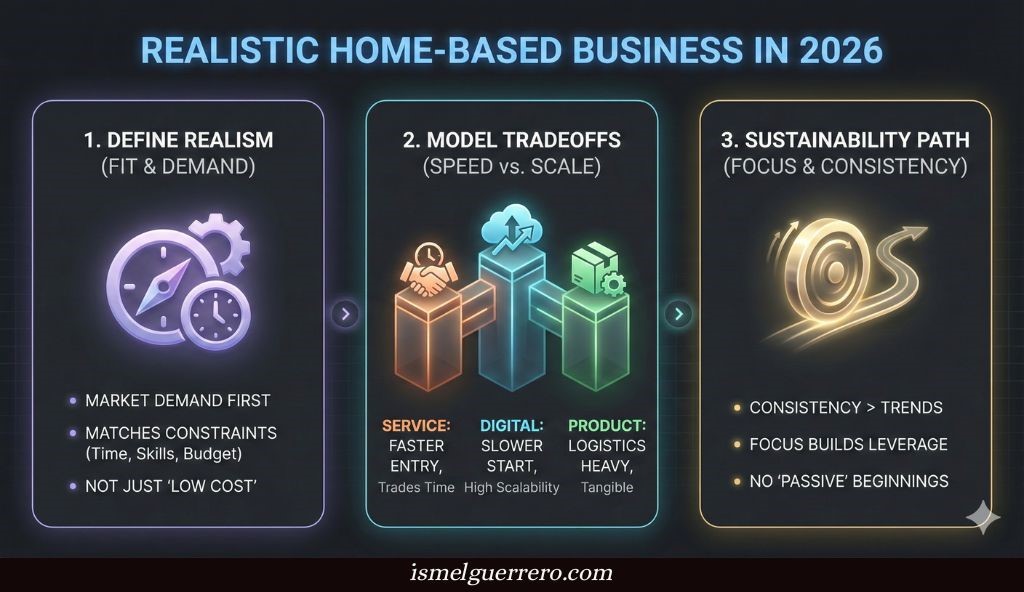
What “realistic” means for a home-based business in 2026
Before looking at specific ideas, it’s important to reset expectations. A realistic home-based business is not defined by how little it costs to start or how flexible it sounds. It’s defined by whether it can operate within real constraints and still meet a real market need.
In 2026, realism starts with demand. If people are not already paying for a product or service, the business is speculative, not practical. It also depends on whether the business can be run legally from home, fits current platform rules, and aligns with how customers actually discover and buy today.

The main factors that define realism
- Startup versus operating cost: Low startup cost doesn’t always mean low ongoing effort or expense.
- Skill requirements: Some businesses trade money for time, others trade expertise for income. Both are valid, but they’re not interchangeable.
- Time to first revenue: Many home-based businesses take months, not weeks, to become reliable.
- Platform dependence: Businesses tied to one platform inherit that platform’s rules and volatility.
- Legal and logistical fit: Zoning rules, licenses, and fulfillment constraints still apply, even from home.
These factors don’t rule ideas in or out on their own. They give you a framework for deciding whether an idea matches your situation instead of an idealized version of it.
Bottom line: A realistic home-based business is one you can operate consistently with the resources you actually have, not the ones you hope to have later.

Service-based home businesses
Service-based businesses are often the most realistic starting point for working from home. They rely on skills, experience, or time rather than inventory or large upfront investment. In 2026, demand for services remains strong because businesses and individuals continue to outsource work they don’t want to do themselves.
The tradeoff is straightforward. Services usually scale more slowly because your time is involved, but they can reach profitability faster than many product or content-based models.
Freelance and contract services
Freelancing covers a wide range of work, including writing, design, development, marketing, and technical support. These businesses are realistic because they solve clear problems and are easy to explain to potential clients. You’re selling a defined outcome rather than a vague promise.
This model fits people who already have a marketable skill and want flexibility. Early income depends heavily on outreach and client management, not just skill alone.
Consulting and coaching
Consulting and coaching build on prior experience rather than new skills. They work best when you can point to real-world results, industry knowledge, or a specific niche. From home, these businesses typically operate through calls, workshops, or short-term engagements.
The challenge here is credibility. Clients need a clear reason to trust you, which usually comes from past roles, case studies, or a narrow focus rather than broad claims.
Virtual assistance and operational support
Virtual assistants and remote operations roles support businesses with scheduling, research, customer service, or system management. This model remains realistic because many companies prefer flexible, remote support over full-time hires.
It’s well suited to people who are organized, reliable, and comfortable working behind the scenes. Growth often comes from specialization rather than offering “everything.”
Bottom line: Service-based home businesses trade scalability for speed and clarity. If you value faster entry and lower risk over long-term leverage, they are often the most practical place to start.
💡 Realistic Service Ideas for 2026
If you are looking for specific skills with high demand right now, consider these:
- AI Implementation Specialist: helping small businesses set up ChatGPT workflows or automation.
- Short-Form Video Editor: turning long podcasts/videos into clips for social media.
- Niche Virtual Assistant: specializing in one industry (e.g., “VA for Real Estate Agents” or “Medical Practice Admin”).
- Ghostwriter: writing LinkedIn posts or newsletters for busy executives.
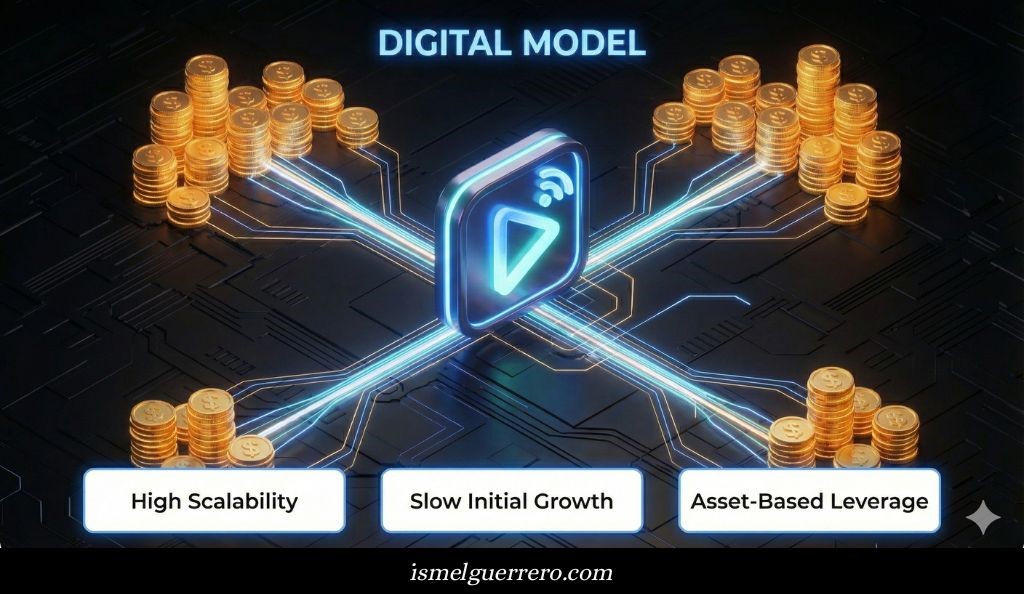
Online and digital home-based businesses
Online and digital businesses appeal to many people because they separate income from physical location. In 2026, these models are still realistic, but they require patience and consistency rather than quick wins. The barrier to entry is often lower than product-based businesses, while competition is usually higher.
What makes these businesses viable is leverage. You create something once, then distribute it repeatedly through platforms, search, or audiences you build over time. The tradeoff is that results tend to arrive later, not sooner.
Content-based businesses
Content-driven businesses include blogs, newsletters, podcasts, and video channels that earn through ads, affiliates, or sponsorships. They are realistic because demand for information and recommendations continues to grow, especially in specific niches.
This model fits people who can publish consistently and think long-term. Early stages feel slow because trust and visibility take time to build, but momentum compounds once an audience forms.
Digital products and downloads
Digital products such as templates, guides, tools, or software remove inventory and shipping from the equation. They work best when tied to a clear, recurring problem that people already pay to solve.
The challenge is validation. Creating a product without confirming demand often leads to wasted effort. Realistic digital products usually come after you’ve seen what your audience repeatedly asks for.
Online education and courses
Courses and training programs remain viable when they focus on practical outcomes rather than broad topics. Short, specific learning experiences tend to outperform large, all-in-one courses.
This model suits people who can explain processes clearly and update material as platforms and tools change. Maintenance is part of the business, not an afterthought.
Bottom line: Online and digital home-based businesses reward consistency and focus. They are realistic when you’re willing to build credibility over time instead of expecting immediate returns.
💡 Realistic Digital Product Ideas for 2026
Digital products work best when they solve a boring, expensive problem.
- Operational Templates: selling highly specific Notion dashboards or Excel trackers (e.g., “Construction Project Tracker”).
- Curated Newsletters: charging a subscription to summarize news for a specific industry (e.g., “Weekly Biotech Updates”).
- Faceless Content Channels: building YouTube/TikTok channels that focus on relaxation, education, or news without a personal brand.
- SOP Libraries: selling “Standard Operating Procedure” documents to help other freelancers scale.
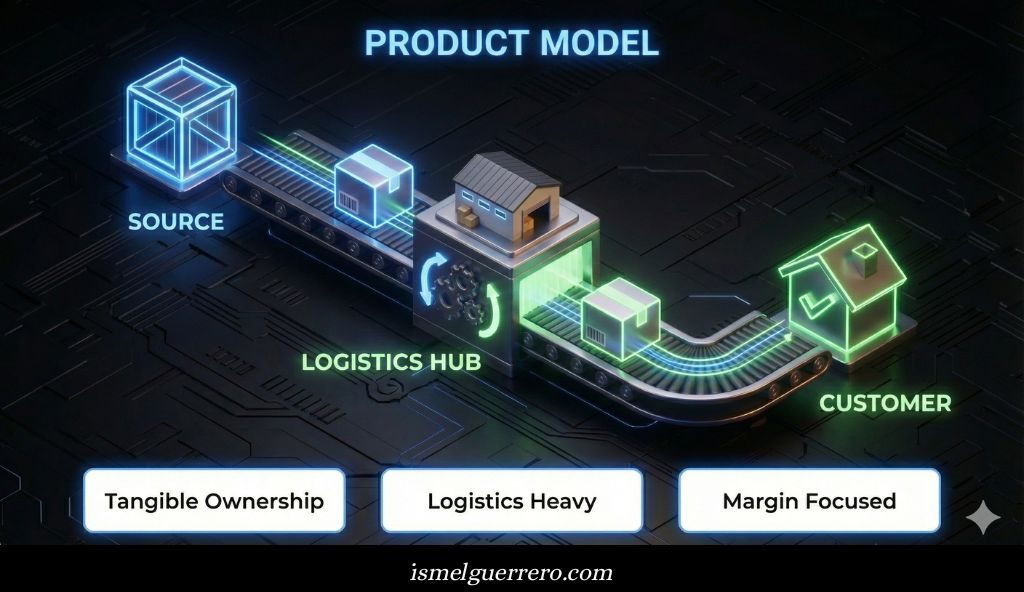
Product-based home businesses
Product-based businesses can still be run from home in 2026, but they come with more moving parts than service or digital models. These businesses are realistic when the scope is controlled and expectations are clear. The main appeal is ownership over a tangible product, while the main risk is complexity.
Before choosing this route, it’s important to understand where time and money will be spent after the first sale, not just before it.
Print-on-demand products
Print-on-demand allows you to sell custom items without holding inventory. Products are created and shipped only after an order is placed, which reduces upfront risk. This model is realistic for people who understand branding, design, or niche audiences.
Margins are typically thinner than other models, and competition is high. Success depends more on positioning and audience fit than on product variety.
Handmade or small-batch products
Handmade or small-batch products work best when they serve a specific market that values quality or uniqueness. Running this type of business from home is realistic when production volume stays manageable.
The limitation is scale. As demand grows, time, space, and fulfillment can become constraints unless processes change.
Reselling and curated products
Reselling involves sourcing products and selling them at a markup through marketplaces or independent stores. This model is realistic when you understand sourcing, pricing, and platform rules.
Inventory management and cash flow matter here. Buying too much stock too early is one of the most common mistakes.
Bottom line: Product-based home businesses offer control and creativity, but they demand attention to logistics and margins. They are realistic when you start small and scale deliberately.
💡 Realistic Product Ideas for 2026
Product businesses succeed today by being specialized, not broad.
- Niche Print-on-Demand: Creating designs for very specific groups (e.g., “Embroidered hoodies for Dental Hygienists”) rather than generic streetwear.
- Curated Reselling: Focusing on one category (e.g., “Vintage 90s Jackets” or “Refurbished Electronics”) to build a brand on eBay/Depop, rather than selling random items.
- Small-Scale Personalization: Using a laser engraver or Cricut machine at home to make custom wedding favors or corporate gifts.
- 3D Printing Service: Printing replacement parts or tabletop gaming miniatures on demand (low inventory space, high value).

How to evaluate which Home-Based Business idea fits you
After reviewing different home-based business models, the most important step is narrowing the list. A realistic idea on paper can still be a poor fit if it conflicts with your time, skills, or expectations. This section helps turn options into decisions.
Start by being honest about your constraints. A business that fits your life will always outperform one that only fits a trend.
Questions to ask before committing
- How much time can you commit each week? Some models require daily attention, while others can grow with fewer but more focused hours.
- Which skills do you already have, or can realistically develop? Starting from strength shortens the learning curve.
- What level of income pressure are you under? Service businesses can generate revenue sooner, while digital models often take longer.
- How comfortable are you with uncertainty? Platform-dependent businesses carry different risks than client-based work.
- Do your goals favor flexibility or growth? Not every home-based business is meant to scale, and that’s not a flaw.
These questions aren’t meant to limit you. They help align expectations with reality, which is where sustainable businesses usually begin.
Bottom line: The right home-based business is the one that fits your current situation well enough to keep you consistent. Consistency matters more than the category you choose.
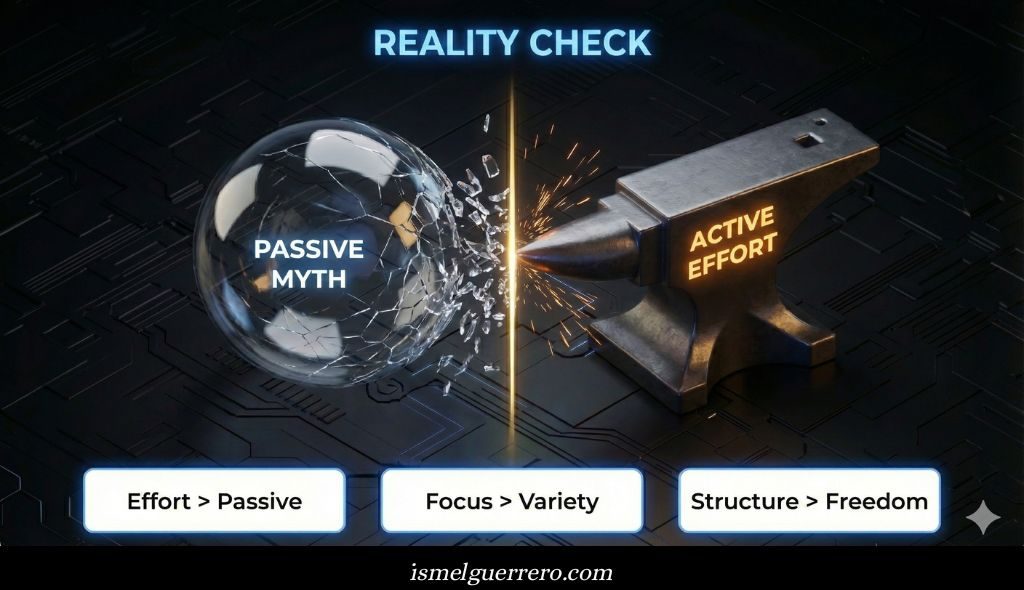
Common misconceptions about home-based businesses
Many people approach home-based businesses with assumptions that sound reasonable but don’t hold up in practice. These misconceptions often come from outdated advice or success stories that leave out important context. Clearing them up early makes it easier to choose an idea for the right reasons.
“Low cost means low effort”
Starting from home can reduce overhead, but it doesn’t remove the need for sustained effort. Most realistic home-based businesses replace financial investment with time, skill, or learning. When effort is underestimated, frustration usually follows.
“Online businesses are passive”
Very few home-based businesses are passive, especially in the beginning. Content needs updating, services require delivery, and products need support. What changes over time is leverage, not effort.
“More ideas increase the chance of success”
Having many options often delays action. Switching between ideas resets progress and prevents momentum. Fewer, well-chosen ideas usually lead to better outcomes because focus allows skills and systems to develop.
“Working from home means working less”
Home-based businesses can offer flexibility, but they still demand structure. Without clear boundaries, work can expand into all available time. Realistic planning accounts for this instead of assuming convenience equals ease.
Bottom line: Most setbacks come from mismatched expectations, not bad ideas. When assumptions are grounded, home-based businesses become easier to evaluate and manage realistically.
Conclusion
Home-based business ideas are only useful when they’re evaluated in context. In 2026, realism comes from understanding how an idea fits your time, skills, and tolerance for uncertainty, not from chasing what looks popular. Service, digital, and product-based models can all work from home, but they demand different tradeoffs and timelines.
Choosing well at the start reduces the pressure to pivot constantly. When expectations are clear, progress is easier to measure and adjustments are more deliberate. A realistic home-based business is not about doing everything from home, it’s about doing the right things consistently. That clarity is what turns an idea into something you can actually sustain.

FAQs About Home-Based Business
How much does it cost to start a home-based business in 2026?
Costs vary widely by model. Many service-based businesses can start with minimal expenses, while product-based businesses usually require more upfront investment for materials or inventory. What matters most is understanding ongoing costs, not just startup fees.
Can a home-based business still be profitable?
Yes, but profitability depends on fit and execution, not the idea alone. Businesses that match real demand and align with the owner’s skills tend to perform better over time. Results are usually gradual rather than immediate.
How long does it take to make money from a home-based business?
Timelines differ by model. Service businesses often generate income sooner, while digital and product-based businesses may take months to gain traction. Planning for a slower start helps avoid early frustration.
Do I need to register a home-based business?
In many cases, yes. Requirements depend on your location, business type, and income level. It’s important to check local regulations and licensing rules before operating, even from home.
Are online home-based businesses oversaturated?
Some categories are competitive, but saturation usually means demand exists. Success comes from specialization and positioning rather than avoiding competition entirely. Narrow focus often makes crowded spaces workable.
Can I run a home-based business part-time?
Many home-based businesses start part-time. This approach reduces risk and allows you to test fit before committing fully. The key is choosing a model that can progress with limited, consistent time.

0 Comments