Introduction
High-paying affiliate programs attract attention for a simple reason: they offer the potential to earn more from each successful referral. For affiliates who prefer quality over volume, these programs can be an efficient way to monetize content without relying on constant traffic spikes.
At the same time, not every program with a large commission is worth promoting. Payouts vary by industry, structure, and product demand, and the highest numbers on a landing page do not always translate into sustainable earnings.
This article presents a curated list of high-paying affiliate programs, organized by industry and commission model. The goal is to help you compare options clearly, understand how they differ, and decide which ones are worth deeper evaluation.
Key Takeaways
- High-paying affiliate programs differ widely in payout structure and reliability
- Large commissions matter only when products convert and retain customers
- Programs are best compared by industry, not by headline payout size
- Some offers pay well upfront, while others reward long-term retention
- This list is designed to help you shortlist options, not promise outcomes
Disclaimer: I am an independent Affiliate. The opinions expressed here are my own and are not official statements. If you follow a link and make a purchase, I may earn a commission.
High-Paying Affiliate Programs by Industry
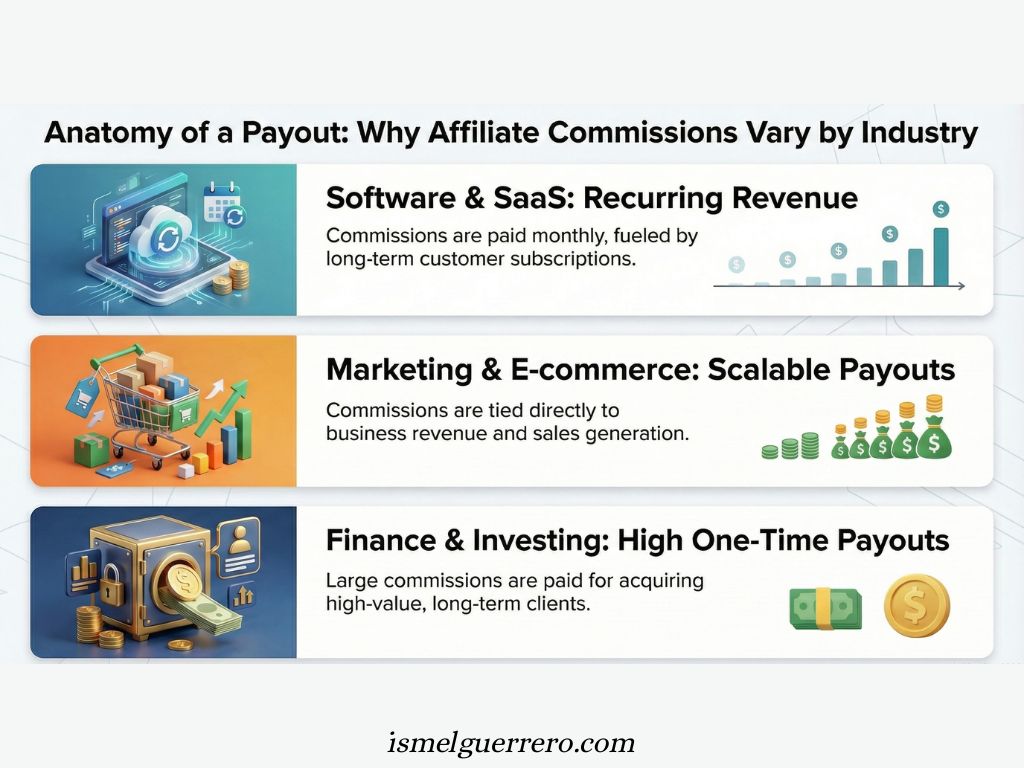
Affiliate programs do not pay well by accident. Commission levels are shaped by pricing models, customer lifetime value, and how urgently buyers need the solution.
Organizing high-paying affiliate programs by industry makes comparison more practical. It allows you to evaluate options within similar buying environments instead of judging programs by payout size alone.
The tables below group well-known affiliate programs by industry to help you spot patterns, narrow your focus, and identify categories that align with your audience, content style, and long-term goals.
Software, SaaS, and Web Infrastructure
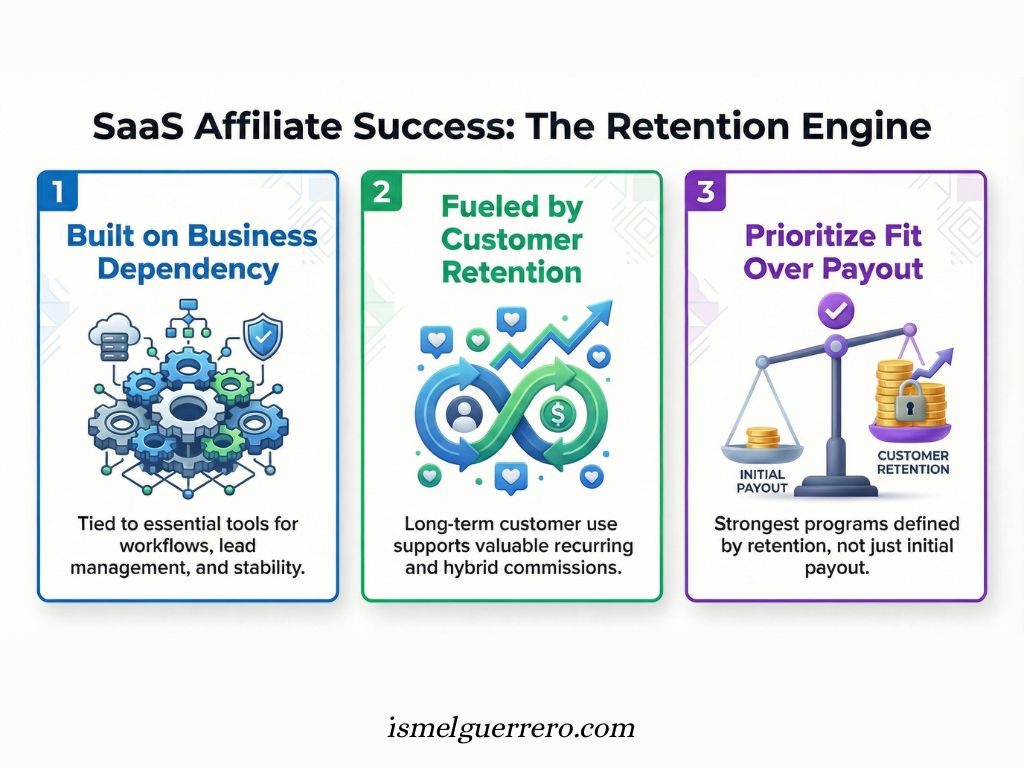
Software and infrastructure affiliate programs often pay well because businesses depend on these tools to keep operations running. When a platform manages leads, automates workflows, or keeps a website stable, customers tend to stay longer. That longer relationship is what usually supports recurring or hybrid commissions.
| Affiliate Program | Category | Product Focus | Commission Structure | Typical Commission Range* | Best Fit For |
|---|---|---|---|---|---|
| ClickFunnels | SaaS | Funnels and sales automation | Recurring | ~30% recurring | Marketers, funnel builders |
| HubSpot | SaaS | CRM and marketing platform | Recurring (tiered) | Up to ~30% (limited duration) | B2B agencies, consultants |
| ActiveCampaign | SaaS | Email marketing and automation | Recurring | ~20% – 30% recurring | Email-focused creators |
| Kinsta | Web infrastructure | Managed WordPress hosting | Hybrid | ~$50 – $500 + recurring percentage | Developers, agencies |
| WP Engine | Web infrastructure | Premium WordPress hosting | Flat-rate | $200+ per referral | Professional site builders |
| Cloudways | Web infrastructure | Managed cloud hosting | Flat-rate (CPA) | ~$50 – $125 per referral | Freelancers, developers |
*Commission structures and ranges are based on publicly available affiliate program disclosures and may vary by region, plan type, or promotional period.
In this space, the strongest programs are rarely the ones with the flashiest payout. They’re usually the ones tied to tools people keep using month after month. When you compare options, retention signals and product fit matter more than the headline percentage.
Business, Marketing, and E-commerce Tools
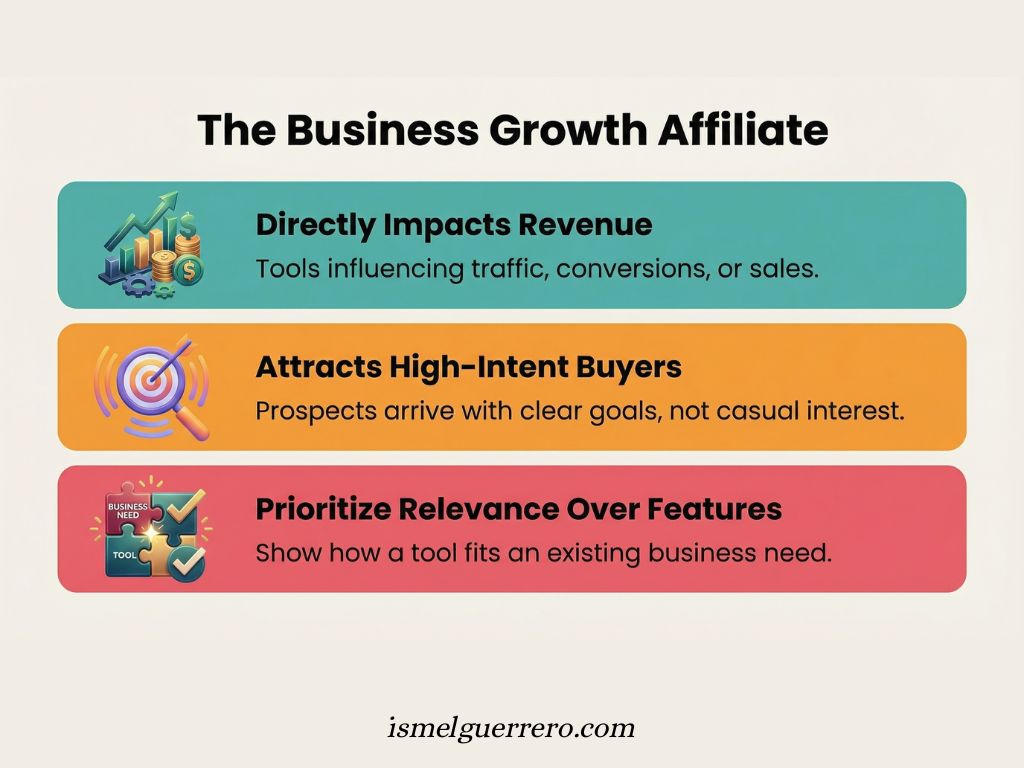
Business, marketing, and e-commerce tools tend to sit closer to revenue generation, which is why payouts here can scale quickly. These platforms influence traffic, conversions, or sales directly, so buyers often evaluate them with clear goals already in mind rather than casual interest.
That makes performance in this space less about awareness and more about relevance. Programs convert best when the tool clearly matches the stage and intent of the business using it.
| Affiliate Program | Category | Product Focus | Commission Structure | Typical Commission Range* | Best Fit For |
|---|---|---|---|---|---|
| Surfer SEO | Marketing | AI SEO & content optimization | Recurring | 25% Recurring | Content marketers |
| Ahrefs | Marketing | SEO and site analytics | Flat-rate | ~$100 – $500 per referral | Agencies, advanced SEO users |
| ConvertKit (Kit) | Marketing | Creator email marketing | Recurring | ~30% recurring | Writers, creators |
| GetResponse | Marketing | Email marketing and automation | Recurring or bounty | ~33% recurring or ~$100 CPA | Small businesses, marketers |
| Shopify | E-commerce | Online store platform | Flat-rate (bounty) | ~$150 per referral | Store builders, entrepreneurs |
| SamCart | E-commerce | Checkout and payment optimization | Recurring | ~40% recurring | Course creators, coaches |
*Commission structures and ranges are based on publicly available affiliate program disclosures and may vary by region, plan type, or promotional period.
Across these programs, clarity usually outperforms persuasion. Affiliates who succeed here focus on showing how a tool fits into an existing process, not on selling features in isolation. When comparing options, alignment with real business needs tends to matter more than payout structure alone.
Finance and Investing
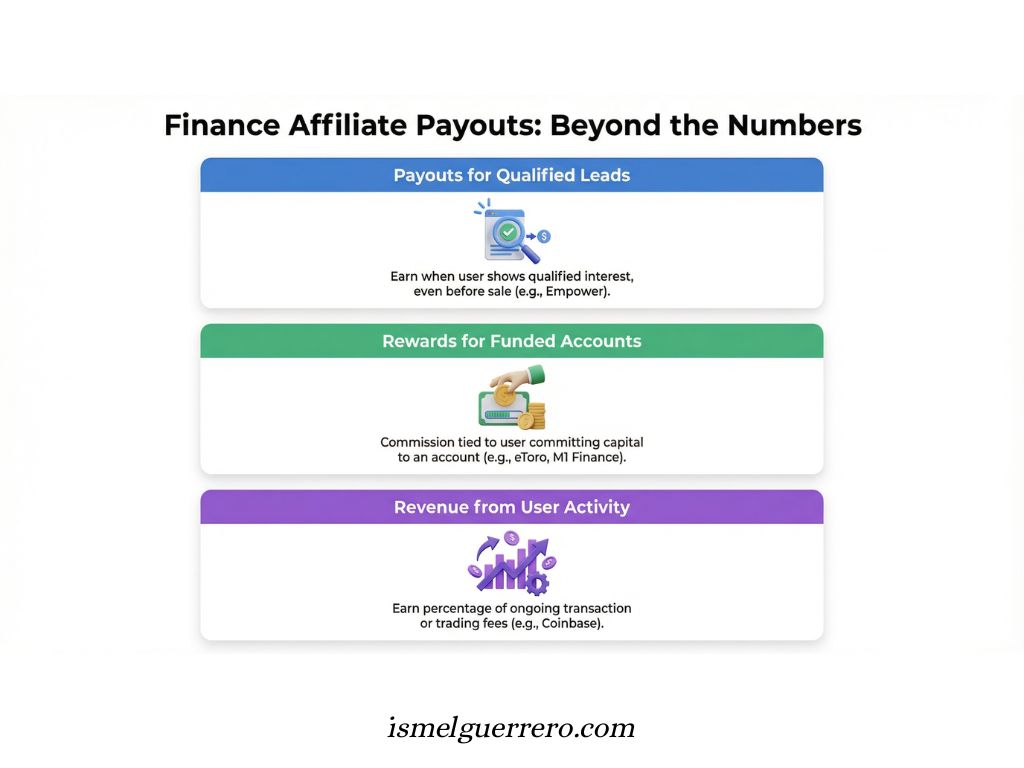
Finance and investing affiliate programs often offer higher payouts because they are tied to long-term financial relationships. At the same time, these programs require greater trust and clearer context, since buying decisions involve risk and regulation.
| Affiliate Program | Category | Product Focus | Commission Structure | Typical Commission Range* | Best Fit For |
|---|---|---|---|---|---|
| Empower (Personal Capital) | Finance | Wealth management tools | Lead-based (CPL) | ~$70 – $100 per qualified lead | Personal finance educators |
| M1 Finance | Investing | Portfolio and investing platform | Account-based | ~$70 – $500 per funded account | DIY investors, finance blogs |
| eToro | Investing | Trading and investing platform | CPA-based | ~$200 – $600 per funded user | Trading and market education |
| Coinbase | Crypto | Cryptocurrency exchange | Transaction-based | Up to ~50% of trading fees (limited period) | Crypto-focused audiences |
| Acorns | Investing | Micro-investing app | CPA-based | ~$10 – $60 per funded account | Beginner finance audiences |
*Commission structures and ranges reflect publicly disclosed affiliate terms and may vary by geography, account type, or regulatory changes.
Finance and investing programs are typically compared on trust signals, transparency, and long-term user engagement rather than payout size alone. Reviewing these programs within the same category helps maintain clarity while respecting regulatory and audience expectations.
Education and Professional Training
Education-focused affiliate programs tend to pay well because buyers view courses and certifications as investments in career or skill advancement. Pricing varies widely, but commission structures are often percentage-based rather than recurring.
Common examples in this category include platforms such as Coursera, Teachable, Thinkific, and LinkedIn Learning. These programs are typically evaluated based on course quality, brand recognition, and how clearly outcomes are communicated to prospective learners.
Health, Wellness, and Lifestyle
Health and wellness affiliate programs span fitness, mental well-being, and habit-building tools. Commission rates are often moderate, but volume and long-term engagement can influence overall performance.
Examples in this category include Noom, Headspace, WHOOP, and Onnit. Because purchasing decisions are personal and trust-driven, credibility, transparency, and responsible framing are central when comparing programs in this space.
Personal Development and Coaching
Personal development and coaching programs often position themselves around long-term transformation rather than short-term outcomes. Pricing can be premium, which supports higher commissions, but sales cycles are typically longer.Well-known examples include Mindvalley, GrowthDay, Kajabi, and structured coaching platforms. These programs are usually assessed on brand trust, audience alignment, and how well the underlying philosophy resonates with prospective buyers.
Takeaway
High-paying affiliate programs are best evaluated in context. Industries differ in how buyers make decisions, how long relationships last, and how commissions are structured over time.
Once you identify industries that match your audience’s intent, you can move forward with deeper evaluation based on fit, trust, and sustainability rather than headline payouts alone.
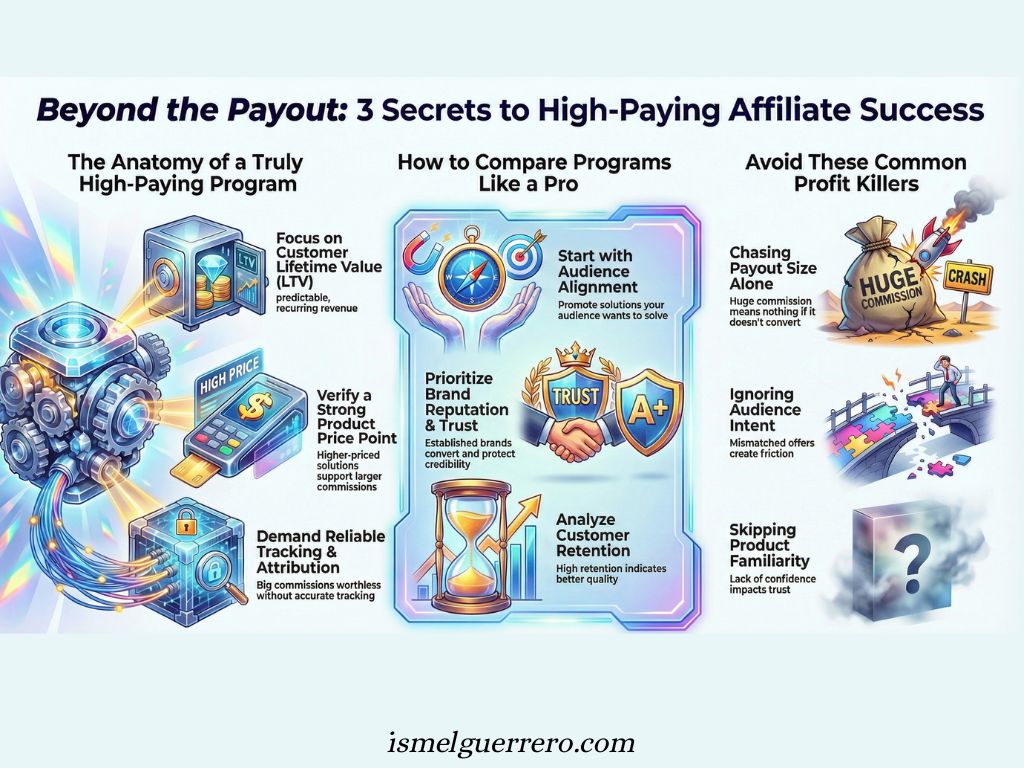
What Makes an Affiliate Program “High-Paying”
A high commission alone does not make an affiliate program worth promoting. What actually defines a high-paying program is how compensation, product value, and customer behavior work together over time.
Several factors usually appear in programs that pay well and remain sustainable.
- Commission structure
High-paying programs often use flat payouts, percentage-based commissions, or recurring revenue models. The structure determines whether earnings are one-time or compound over time. - Product price point
Programs tied to higher-priced products or services naturally allow for larger commissions. This does not mean luxury pricing, but rather solutions that justify a higher investment. - Customer lifetime value
Programs that retain customers through subscriptions, renewals, or ongoing services tend to pay affiliates more consistently. Long-term customers support recurring commissions. - Clear attribution and tracking
Reliable tracking systems ensure affiliates receive credit for conversions. High payouts lose value quickly when attribution is unclear or inconsistent.
A practical way to think about it. A program becomes truly high-paying when commissions are predictable, products deliver ongoing value, and customers stay long enough for the numbers to make sense.

How to Compare High-Paying Affiliate Programs
High-paying affiliate programs can look equally attractive at first glance. Strong commission numbers, recognizable brands, and polished sales pages often create the impression that choosing between them is simply a matter of payout size. In practice, the differences that matter most show up after the first click and after the first sale.
A more reliable comparison focuses on fit, sustainability, and how the program supports both you and your audience.
Audience Alignment
Start with relevance. A program should solve a problem your audience already understands and is actively trying to fix. When the offer aligns with existing intent, trust forms naturally and conversion rates improve.
Ask whether the product feels like a logical next step for your readers, not a sudden leap.
Conversion Support
Evaluate how the program handles the buying experience. Clear messaging, transparent pricing, and straightforward onboarding reduce friction and make it easier for prospects to commit without hesitation.
Strong conversion support means less explaining, fewer objections, and a smoother path from interest to action.
Refunds and Customer Retention
High commissions lose value quickly when customers churn or request refunds. Look for programs with reasonable refund policies and products designed for long-term use or ongoing engagement.
Retention is often a stronger indicator of program quality than payout size.
Brand Reputation and Trust
Well-established brands usually convert more consistently because buyers feel safer. Reviews, public perception, and industry reputation all influence how much persuasion is required to earn a conversion.
A trusted brand lowers the burden on your content and protects your credibility over time.
Affiliate Terms and Transparency
Finally, review the operational details. Clear attribution windows, predictable payout schedules, and reasonable promotional guidelines reduce surprises and friction on the affiliate side.
Programs that communicate terms clearly tend to be easier to work with long term.
A practical way to think about it. Comparing high-paying affiliate programs is less about finding the biggest number and more about identifying which offers your audience is most likely to trust, use, and stay with.
Common Mistakes When Choosing High-Paying Programs
High commission numbers can make it easy to overlook practical risks. Many affiliates struggle not because the programs are bad, but because the selection process is rushed or incomplete.
These are some of the most common mistakes to watch for.
- Chasing payout size alone
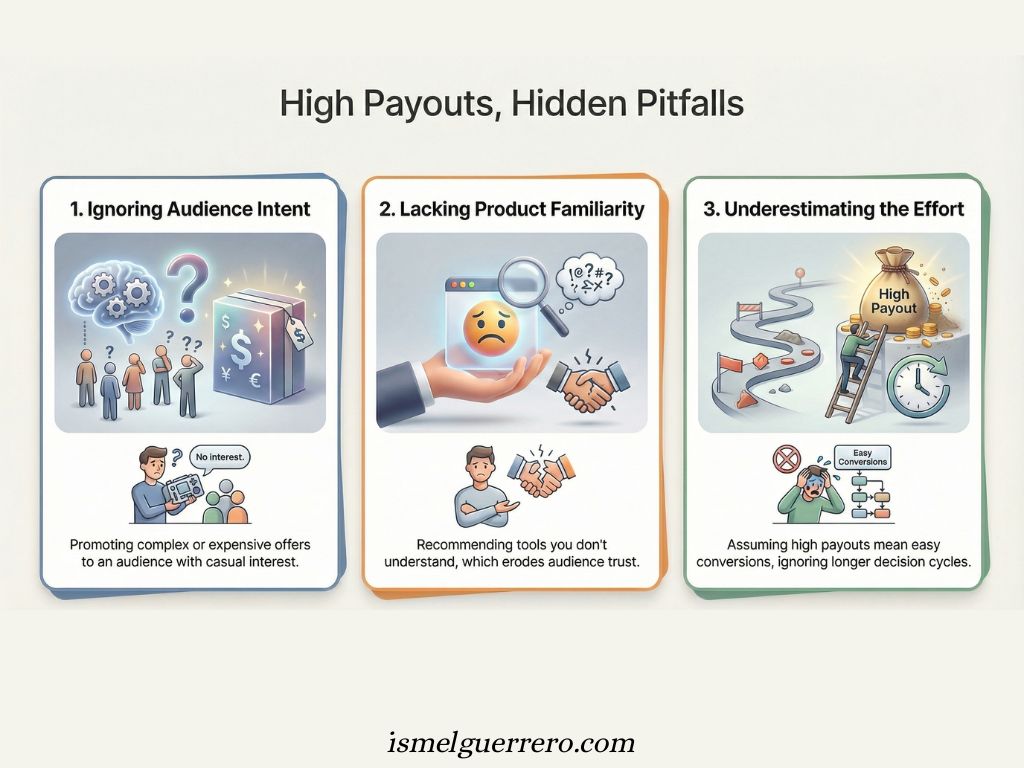
Large commissions mean little if the product does not convert or retain customers. Earnings depend on demand, not just numbers. - Ignoring audience intent
Promoting high-priced or complex offers to casual audiences creates friction and low trust. Mismatched intent leads to poor results. - Overloading with too many programs
Promoting multiple high-paying offers at once can dilute credibility. Focused promotion usually performs better. - Skipping product familiarity
Recommending tools you do not understand or trust increases risk. Audience confidence often mirrors your own clarity. - Assuming high-paying means easy
Larger payouts often involve longer decision cycles. Expect more questions and a slower path to conversion.
A steady approach. Avoiding these mistakes keeps your recommendations credible and your affiliate strategy sustainable.
Conclusion
High-paying affiliate programs can be a powerful way to increase earning potential without relying on constant traffic growth. When chosen carefully, they allow you to focus on relevance, trust, and long-term value rather than volume alone.
The key is resisting the temptation to chase payouts in isolation. Commission size only works in your favor when the product fits your audience, converts reliably, and delivers real value after the sale. Programs that look impressive on paper but fail in practice often create more friction than income.
Use this list as a starting point, not a shortcut. Shortlist a few programs, evaluate them in depth, and align them with content you can support confidently. When clarity leads your decisions, higher commissions become a byproduct of good alignment, not a gamble.
Frequently Asked Questions
Are high-paying affiliate programs legitimate?
Yes, many are legitimate, especially when tied to established products or services with real customer demand. Legitimacy depends on transparency, product value, and clear affiliate terms, not commission size alone.
Do high-paying affiliate programs require a large audience?
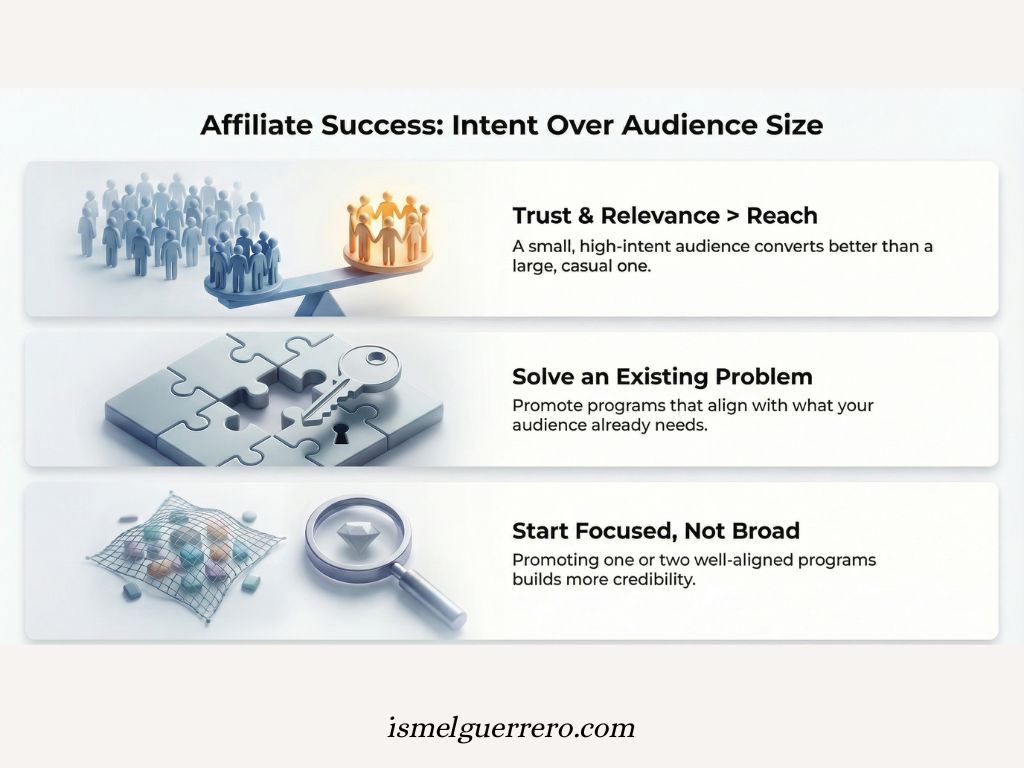
Not necessarily. These programs usually perform better with smaller, high-intent audiences rather than large volumes of casual traffic. Relevance and trust matter more than reach.
Are high-paying affiliate programs the same as high-ticket programs?
No. High-paying programs focus on commission size, while high-ticket programs focus on product price and longer sales cycles. Some programs fall into both categories, but they are not interchangeable.
Can beginners promote high-paying affiliate programs?
Beginners can, but results depend on audience fit and content quality. Starting with one or two well-aligned programs is often more effective than promoting many at once.
How should I choose which program to promote first?
Start with a program that solves a clear problem your audience already has and that you understand well enough to explain confidently. Familiarity and alignment usually outperform higher payouts.

0 Comments