Introduction
More leads do not always mean more revenue.
A marketing team can generate thousands of form fills, ebook downloads, and webinar sign-ups, then still hear the same complaint from sales: these leads are not ready. That gap is where lead quality becomes more important than lead volume.
This is exactly why the idea of a Marketing Qualified Lead, or MQL, matters.
An MQL is a lead that has moved beyond casual interest and shown enough engagement to deserve closer attention from marketing and, eventually, a smoother path toward sales. It sits in the middle of the funnel, between raw lead capture and true sales readiness, helping teams focus on people who are more likely to convert.
In this guide, you’ll learn what a Marketing Qualified Lead is, how companies decide when a lead becomes one, and why MQLs play such a central role in a healthy marketing and sales process.
- An MQL is a lead that has shown meaningful interest but is not yet ready for direct sales action.
- MQLs help companies separate lead volume from lead quality.
- The goal of MQL qualification is to identify who deserves more focused nurturing.
- MQL criteria usually combine behavior, engagement, and fit.
- A strong MQL definition improves alignment between marketing and sales.
Disclaimer: I am an independent Affiliate. The opinions expressed here are my own and are not official statements. If you follow a link and make a purchase, I may earn a commission.
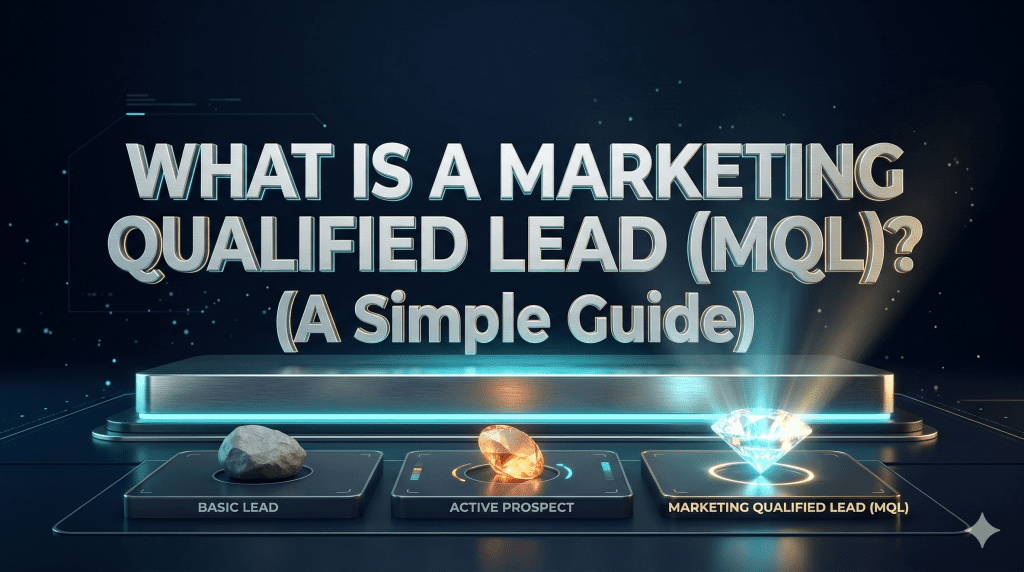
What a Marketing Qualified Lead (MQL) Actually Is
A Marketing Qualified Lead is a person or company that has shown enough interest in your brand, content, or offer to be considered more valuable than a general lead, but not yet ready to be treated as a sales opportunity.
That distinction matters.
A regular lead might be anyone who enters your system. They may download a guide, subscribe to a newsletter, or fill out a basic form. At that stage, you know they exist, but you do not yet know how serious they are.
An MQL is different because the lead has crossed a threshold.
That threshold usually comes from a mix of signals. The person may have visited high-intent pages, engaged with multiple campaigns, downloaded decision-stage content, or matched the kind of company or buyer profile your team wants to target. In other words, an MQL is not just a name in a database. It is a lead that has started to show real buying potential.
This is why MQL is such a useful stage in the funnel. It gives marketing teams a way to prioritize attention instead of treating all leads equally. It also gives sales teams more confidence that the leads being passed forward have shown enough intent to matter.
Put simply, an MQL is a lead that has moved from awareness into qualified interest.
That does not mean the person is ready to buy today. It means they have done enough to suggest that further nurturing is worth the effort. This middle ground is what makes the MQL stage so valuable. It protects sales from low-quality handoffs, and it helps marketing focus on leads that are more likely to progress.
Why MQLs Matter in Modern Marketing
Modern marketing produces more data and more leads than ever before. Website forms, gated content, newsletters, events, and paid campaigns can generate thousands of contacts in a short period of time. Without a system to prioritize them, that volume quickly becomes noise.
This is where Marketing Qualified Leads (MQLs) play a critical role.
They Turn Lead Volume Into Lead Quality
Many marketing teams measure success by the number of leads generated. But a large list of names does not necessarily translate into revenue. If most of those leads have little real interest, sales teams waste time pursuing people who will never convert.
MQLs help filter that noise. By identifying which leads show meaningful engagement, marketing can focus attention on prospects who have demonstrated genuine curiosity about the product or service.
They Improve Marketing and Sales Alignment
One of the most common sources of tension between marketing and sales teams is lead quality.
Marketing may believe it is delivering strong leads because campaigns generate high numbers. Sales may disagree because many of those leads are not ready to have a buying conversation.
An agreed definition of an MQL creates a shared standard. When both teams understand what qualifies as an MQL, it becomes easier to decide when a lead should remain in marketing nurture and when it should be passed to sales.
They Make Nurturing More Effective
Not every interested prospect is ready to buy immediately. Some need time to understand the problem, compare solutions, or evaluate options within their organization.
The MQL stage helps marketing identify which leads deserve deeper engagement. Instead of sending the same content to everyone, teams can nurture these leads with more relevant information that moves them closer to a buying decision.
They Create a Healthier Sales Funnel
A well-defined MQL stage strengthens the entire funnel.
It prevents sales teams from being overwhelmed by early-stage leads, and it allows marketing to guide prospects through a more thoughtful progression. Over time, this improves conversion rates because the leads reaching sales have already demonstrated meaningful interest.
In short, MQLs help transform lead generation from a numbers game into a more strategic process focused on real opportunity.
How a Lead Becomes an MQL
A lead does not automatically become a Marketing Qualified Lead the moment they enter your system. The transition usually happens when the lead demonstrates enough interest or relevance to signal real potential.
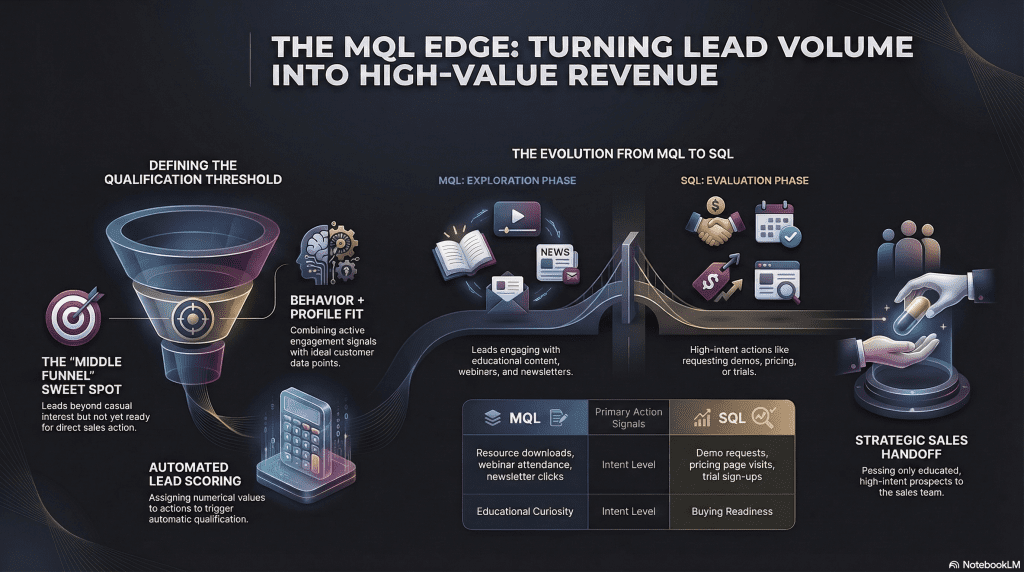
Most companies determine this using a combination of behavioral signals, profile fit, and engagement patterns.
Behavioral Signals
Behavior is one of the clearest indicators of interest. When someone repeatedly interacts with your brand, it suggests they are actively exploring a solution.
Common behavioral signals include:
- Visiting key product or pricing pages
- Downloading in-depth resources such as whitepapers or guides
- Registering for webinars or events
- Returning to the website multiple times
- Clicking through marketing emails
Individually, these actions may not mean much. But when several behaviors appear together, they indicate stronger intent.
Profile Fit
Interest alone does not guarantee that someone is a good prospect. A student researching a topic might download several resources without ever becoming a customer.
This is why many companies combine behavior with profile criteria. These criteria describe whether the lead matches the type of customer the business wants to target.
Typical profile factors include:
- Job role or seniority
- Company size
- Industry
- Geographic location
- Budget authority
When both behavior and profile fit align, the lead becomes much more valuable.
Engagement Over Time
Another important signal is consistent engagement. A single interaction might represent curiosity, but repeated interactions suggest sustained interest.
For example, a lead who downloads multiple resources over several weeks or attends a webinar after reading blog posts is demonstrating a deeper level of involvement.
This pattern often signals that the person is moving closer to a buying decision.
Lead Scoring Systems
Many organizations formalize these signals through lead scoring. Lead scoring assigns points to actions and attributes. When a lead reaches a certain score threshold, they are automatically classified as an MQL.
For instance:
- Visiting a pricing page might add points.
- Downloading a guide might add points.
- Matching the ideal customer profile might add additional points.
Once the combined score crosses a predefined level, marketing considers the lead qualified for deeper engagement.
This process allows marketing teams to identify promising prospects earlier while still filtering out casual or irrelevant contacts.

MQL vs SQL: What’s the Difference?
In most marketing and sales funnels, leads move through multiple qualification stages. Two of the most important are Marketing Qualified Leads (MQLs) and Sales Qualified Leads (SQLs).
Although the terms sound similar, they represent different levels of readiness in the buying journey.
What Defines an MQL
A Marketing Qualified Lead is a prospect who has shown meaningful interest in your brand but is still in the exploration phase. They have engaged with your marketing efforts enough to stand out from other leads, but they are not yet ready for a direct sales conversation.
Typical signs of an MQL include:
- Downloading educational content
- Subscribing to newsletters
- Attending webinars
- Visiting multiple pages on your website
These behaviors indicate curiosity and potential, but not necessarily immediate buying intent.
What Defines an SQL
A Sales Qualified Lead has moved beyond general interest and is considered ready for a sales conversation.
This stage usually appears when a lead demonstrates stronger signals, such as:
- Requesting a product demo
- Asking for pricing information
- Starting a trial
- Contacting the sales team directly
At this point, the lead is no longer just researching. They are actively evaluating whether the product or service fits their needs.
How Leads Move From MQL to SQL
The transition from MQL to SQL typically happens through lead nurturing.
Marketing teams continue to educate and engage MQLs with relevant content. As the lead gains more information and confidence, they may eventually perform actions that signal stronger buying intent.
When those signals appear, the lead is passed to the sales team for direct engagement.
Why This Distinction Matters
Separating MQLs from SQLs helps both teams work more effectively.
- Marketing can focus on building interest and educating prospects.
- Sales can focus on leads that are more likely to convert.
Without this distinction, sales teams often receive leads that are too early in the decision process, which leads to wasted time and lower conversion rates.
Common Criteria Used to Define an MQL
While the concept of a Marketing Qualified Lead (MQL) is widely used, the exact definition varies from one company to another. Each business decides what signals indicate that a lead is showing meaningful interest.
Most organizations rely on a combination of engagement signals, content interactions, and fit with the ideal customer profile.
Content Engagement
One of the most common indicators of an MQL is interaction with marketing content. When someone invests time in consuming deeper material, it suggests they are actively exploring the topic.
Typical examples include:
- Downloading guides, whitepapers, or reports
- Registering for webinars or virtual events
- Watching product-focused videos
- Subscribing to newsletters or educational series
These actions show that the lead is willing to spend time learning more about the problem or potential solutions.
Website Behavior
Website activity can also signal growing interest. Certain pages indicate stronger intent than others.
For example, visiting blog posts may suggest early-stage research, while repeatedly visiting pages such as pricing, product features, or case studies often indicates deeper consideration.
Marketing teams often monitor:
- Frequency of website visits
- Time spent on key pages
- Navigation patterns across the site
- Visits to high-intent pages like pricing or product details
When these behaviors accumulate, the lead may cross the threshold into MQL status.
Email Interaction
Email campaigns provide another layer of engagement data. Leads who consistently interact with emails demonstrate ongoing interest.
Signals often include:
- Opening multiple campaign emails
- Clicking links within emails
- Engaging with follow-up sequences
While one email click alone may not qualify a lead, repeated engagement over time can contribute to qualification.
Fit With the Ideal Customer Profile
Engagement alone is not enough. A highly engaged lead who does not match the type of customer a business serves may still be a poor prospect.
For this reason, many companies combine engagement signals with demographic or firmographic criteria, such as:
- Job title or seniority
- Industry sector
- Company size
- Geographic region
When both engagement and profile fit align, the likelihood of conversion increases significantly.
Lead Scoring Thresholds
To make this process more consistent, many organizations implement lead scoring systems. These systems assign numerical values to different behaviors and attributes.
For example:
- Downloading a guide may add points.
- Visiting a pricing page may add more points.
- Matching the target company size may add additional points.
Once a lead reaches a predefined score, they are classified as an MQL and may enter a more focused nurturing sequence or be prepared for eventual sales engagement.

Mistakes Companies Make With MQLs
The idea of a Marketing Qualified Lead is simple in theory, but many companies struggle to implement it effectively. When the criteria are unclear or poorly managed, the MQL stage can create confusion instead of improving the funnel.
Here are some of the most common mistakes.
Treating Every New Lead as an MQL
One of the biggest errors is inflating MQL numbers by qualifying leads too quickly. If every form submission automatically becomes an MQL, the stage loses its meaning.
This usually leads to frustration for sales teams. They receive leads that have shown only minimal interest, which lowers trust in the marketing pipeline.
A true MQL should represent clear engagement or relevance, not just initial curiosity.
Overcomplicating the Qualification Criteria
While it is important to define qualification signals, some companies create overly complex scoring models with dozens of variables.
When the system becomes too complicated, teams often struggle to understand why a lead was qualified. This makes the process harder to maintain and less transparent for both marketing and sales.
In most cases, a simple set of meaningful signals works better than an intricate scoring system.
Ignoring Sales Feedback
Another common mistake is defining MQLs entirely within the marketing team without input from sales.
Sales teams interact directly with prospects and often have the best understanding of which leads are genuinely ready to move forward. When their feedback is ignored, marketing may continue qualifying leads that rarely convert.
Successful organizations treat MQL definitions as a shared agreement between marketing and sales.
Focusing Only on Engagement
High engagement does not always mean high buying potential. A lead might download several resources simply because they are researching a topic, not because they plan to purchase.
If engagement is the only qualification factor, marketing may promote leads who are active but not truly relevant to the business.
Combining engagement with profile fit helps prevent this issue.
Failing to Update MQL Definitions
Markets change, customer behavior evolves, and marketing channels shift over time. An MQL definition that worked two years ago may no longer reflect how prospects behave today.
Companies that fail to revisit their criteria often find that lead quality gradually declines.
Reviewing MQL definitions periodically helps keep the qualification process aligned with real customer journeys.

Real Example of an MQL in a Marketing Funnel
To understand how Marketing Qualified Leads work in practice, it helps to look at a typical journey a prospect might take before reaching this stage.
Step 1: Initial Awareness
Imagine a marketing manager searching online for ways to improve their company’s lead generation strategy. During that search, they discover a blog post from a marketing software company.
At this stage, the person is simply gathering information. They read the article and leave the website. The company now knows the visitor exists through website analytics, but the person is still anonymous.
This stage represents early awareness, not qualification.
Step 2: Lead Capture
Later, the same visitor returns to the website and downloads a detailed guide about building effective marketing funnels. To access the guide, they fill out a form with their name, email address, company, and job title.
Now the person has become a lead. The company has basic contact information, but it still does not know how serious the interest is.
The lead enters the marketing database and may begin receiving educational content or newsletters.
Step 3: Engagement Signals
Over the next few weeks, the lead continues interacting with the company’s content.
They might:
- Open several marketing emails
- Read additional blog posts
- Visit product pages on the website
- Register for a webinar about improving conversion rates
At this point, their behavior shows consistent engagement.
Step 4: Qualification as an MQL
Because the lead has demonstrated repeated interest and matches the company’s ideal customer profile, the marketing system recognizes stronger potential.
The lead now crosses the threshold and becomes a Marketing Qualified Lead.
Marketing may now move the lead into a more targeted nurturing campaign designed to address deeper questions and guide the prospect closer to a buying decision.
Step 5: Transition Toward Sales
If the lead later requests a demo, signs up for a trial, or asks for pricing details, the signal becomes stronger. At that stage, the lead may move from MQL to Sales Qualified Lead (SQL) and be handed over to the sales team.
This step-by-step journey shows why the MQL stage is valuable. It helps companies track the difference between casual interest and growing buying intent, allowing both marketing and sales to focus their efforts where they matter most.
Conclusion
A Marketing Qualified Lead (MQL) is more than just another contact in your database. It represents a prospect who has moved beyond initial awareness and shown meaningful interest in what your company offers.
By identifying these leads, marketing teams can focus their efforts on people who are more likely to become customers. At the same time, sales teams receive leads that have already demonstrated engagement and potential value.
When the MQL stage is clearly defined, it improves the entire funnel. Marketing gains a better way to prioritize nurturing efforts, and sales gains greater confidence in the leads they receive. Over time, this alignment leads to higher conversion rates and a more efficient revenue process.
Ultimately, the goal of MQL qualification is not just to categorize leads. It is to help companies understand who deserves deeper attention and when a prospect is ready to move closer to a buying decision.

FAQs About Marketing Qualified Leads (MQL)
What is a Marketing Qualified Lead (MQL)?
A Marketing Qualified Lead (MQL) is a prospect who has shown enough engagement with a company’s marketing efforts to indicate potential buying interest. However, the lead is not yet ready for direct sales outreach.
How is an MQL different from a regular lead?
A regular lead is simply someone who has entered your marketing system, often by filling out a form or subscribing to content. An MQL is a lead that has taken additional actions, such as repeated engagement with marketing materials or visiting key pages, that signal stronger interest.
What happens after a lead becomes an MQL?
Once a lead becomes an MQL, the marketing team usually places them into more targeted nurturing campaigns. These campaigns aim to provide deeper information and move the lead closer to a buying decision. If the lead shows stronger intent, it may eventually become a Sales Qualified Lead (SQL).
How do companies decide when a lead becomes an MQL?
Companies typically define MQLs using a mix of behavioral signals and profile criteria. These may include actions like downloading content, attending webinars, visiting product pages, or matching the company’s ideal customer profile.
Are MQL definitions the same for every company?
No. Each organization defines MQLs differently depending on its industry, product, and target audience. While the concept is consistent, the exact criteria used to qualify leads can vary widely.
Why are MQLs important for marketing and sales teams?
MQLs help marketing and sales teams focus on higher-quality opportunities. By identifying leads with stronger potential, companies can prioritize nurturing efforts and reduce time spent on prospects who are unlikely to convert.
Can a lead move backward from MQL status?
Yes. If a lead stops engaging with marketing content or shows signs of low interest over time, companies may move that lead back into earlier-stage nurturing campaigns rather than passing it to sales.

0 Comments