Introduction
Copywriting frameworks are structured models that guide persuasive writing. Instead of guessing how to move a reader toward action, frameworks provide a sequence that aligns with how people process information and make decisions.
Strong copy rarely happens by accident. It follows psychological progression. Attention must be earned. Interest must be built. Desire must be created. Action must be directed.
This guide breaks down the most important copywriting frameworks, explains how they work, compares their strengths, and helps you choose the right structure for your audience and format.
If you want clarity instead of improvisation, frameworks are where you start.
Key Takeaways
- Copywriting frameworks provide structured sequences for persuasion.
- Each framework aligns with specific psychological triggers such as urgency, contrast, or progression.
- AIDA manages the full awareness-to-action journey.
- PAS intensifies pain before presenting relief.
- Before-After-Bridge emphasizes transformation through contrast.
- The right framework depends on audience awareness, urgency, and format.
- Strong copywriters select frameworks strategically instead of writing without structure.
Disclaimer: I am an independent Affiliate. The opinions expressed here are my own and are not official statements. If you follow a link and make a purchase, I may earn a commission.
What Are Copywriting Frameworks?
Copywriting frameworks are structured persuasion models that guide how a message unfolds. Instead of writing randomly or relying on intuition, a framework provides a logical sequence that moves the reader toward a decision.
At their core, frameworks organize three things:
- Attention
- Emotion
- Action
They answer questions such as:
- What should I say first?
- When do I introduce benefits?
- How do I build urgency?
- When should I ask for the sale?
Different frameworks emphasize different psychological levers. Some increase tension. Others highlight transformation. Some guide a full awareness journey. Others compress persuasion into a few lines.
Frameworks do not replace creativity. They structure it.
When used correctly, they reduce guesswork and improve clarity. When ignored, messaging often becomes scattered, repetitive, or unfocused.
Copywriting frameworks exist to make persuasion systematic rather than accidental.
Why Copywriting Frameworks Matter in Conversion
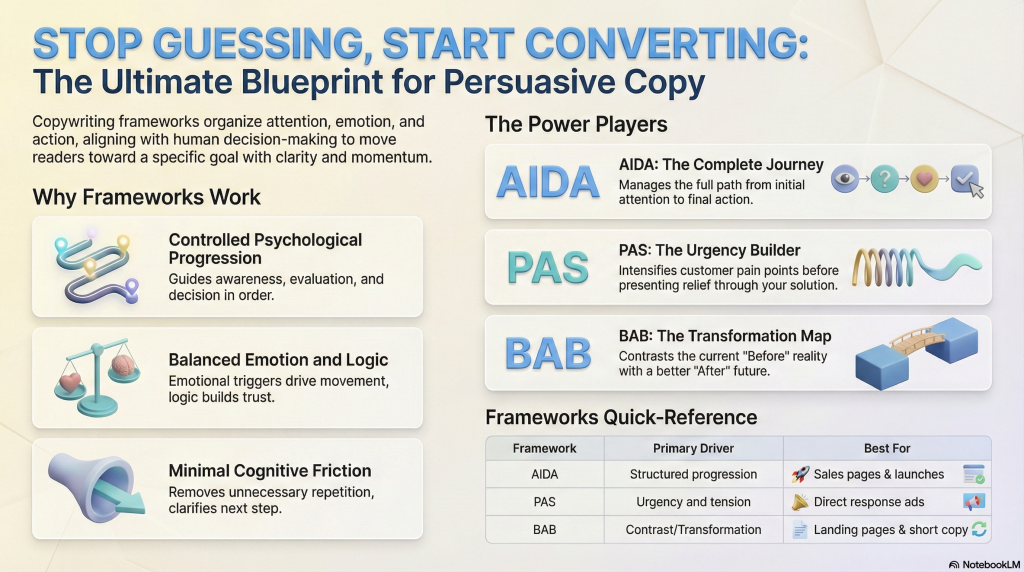
Copywriting frameworks matter because conversion requires structure.
Readers rarely move from awareness to action instantly. They need clarity. They need relevance. They need motivation. Frameworks ensure those elements appear in the right order.
Without structure, messages often:
- Introduce solutions before defining problems
- List features without creating desire
- Ask for action without building urgency
Frameworks prevent these breakdowns.
They create sequence.
For example:
- AIDA builds awareness before asking for commitment.
- PAS increases tension before offering relief.
- Before-After-Bridge highlights transformation before presenting the solution.
Each structure controls psychological flow.
Frameworks also improve efficiency. Instead of rewriting endlessly, you can diagnose where persuasion breaks down. If readers lose interest early, your Attention stage may be weak. If clicks are low, Desire may not be strong enough.
Conversion improves when persuasion becomes deliberate rather than improvised.
Frameworks do not guarantee results. They increase the probability of clarity, momentum, and action.
How Copywriting Frameworks Work
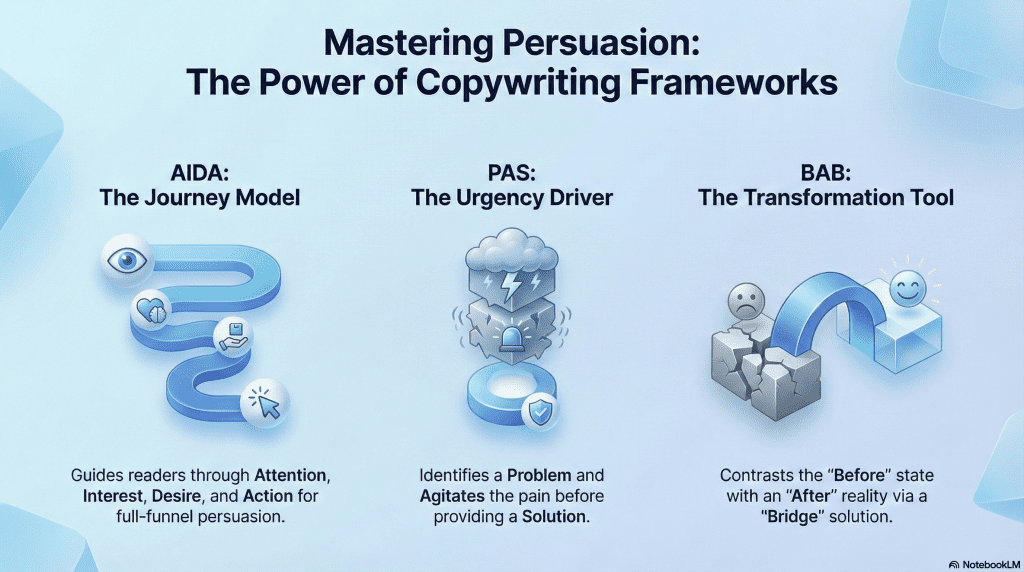
Copywriting frameworks work by controlling psychological progression.
Every persuasive message must guide the reader through three core movements:
- Awareness
- Evaluation
- Decision
Frameworks structure these movements intentionally.
They Control Sequence
Order matters in persuasion.
If you present a solution before defining a problem, motivation stays low. If you ask for action before building desire, resistance increases.
Frameworks prevent this misalignment by forcing a clear sequence.
For example:
- AIDA builds from attention to action step by step.
- PAS builds pressure before introducing relief.
- BAB contrasts current reality with a better future before offering the bridge.
Each framework defines what comes first and what follows.
They Align Emotion and Logic
Effective persuasion balances emotional motivation with logical clarity.
Some frameworks emphasize emotional tension, such as PAS. Others emphasize transformation and possibility, such as BAB. AIDA blends emotional buildup with structured progression.
Frameworks ensure emotion appears where it drives movement and logic appears where it supports credibility.
They Reduce Cognitive Friction
When messages feel scattered, readers disengage.
Frameworks reduce friction by:
- Guiding attention deliberately
- Removing unnecessary repetition
- Clarifying the next step
Clarity increases trust. Trust increases conversion.
Copywriting frameworks do not remove creativity. They channel it. Instead of guessing how to persuade, you follow a tested progression that mirrors how people process information.
The Most Important Copywriting Frameworks Explained
Below are the most widely used copywriting frameworks in marketing and sales. Each model emphasizes a different psychological driver and works best in specific contexts.
For deeper breakdowns and examples, explore the dedicated guides linked within each section.
AIDA (Attention, Interest, Desire, Action)
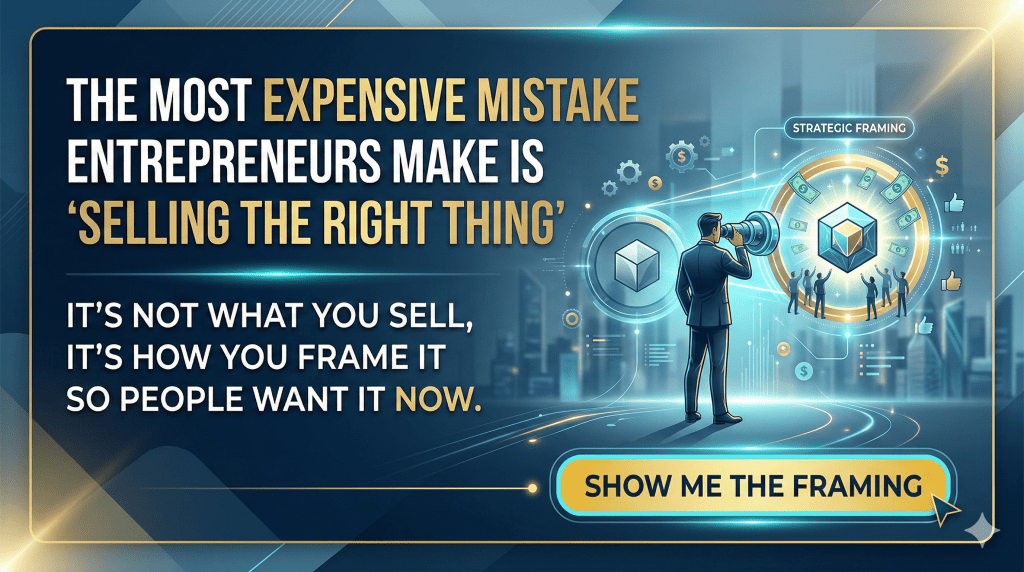
AIDA structures persuasion as a four-stage journey from awareness to decision.
It captures attention first, builds interest through relevance, creates desire through emotional motivation, and directs a clear action.
Best for:
- Sales pages
- Product launches
- Email funnels
- Long-form persuasion
AIDA works well when the audience needs progression rather than urgency.
PAS (Problem-Agitate-Solve)
PAS focuses on pain and relief.
It identifies a problem, intensifies the consequences, and then presents a solution as resolution.
Best for:
- Direct response ads
- Sales pages
- Problem-aware audiences
- Urgent offers
PAS motivates through tension and clarity.
Before-After-Bridge (BAB)
BAB contrasts the current situation with a desired future, then connects the two with a solution.
Best for:
- Landing page sections
- Short-form copy
- Clear transformation messaging
- Optimistic positioning
BAB emphasizes contrast rather than pressure.
4Ps (Picture, Promise, Prove, Push)
The 4Ps framework builds persuasion through visualization and credibility.
- Picture the current or future scenario
- Promise a clear benefit
- Prove it with evidence
- Push toward action
Best for:
- Sales letters
- Structured product messaging
- Benefit-driven copy
FAB (Features, Advantages, Benefits)
FAB translates product features into meaningful outcomes.
It moves from what a product has, to why that matters, to how it improves the reader’s life.
Best for:
- Product descriptions
- Ecommerce
- Technical offers
FAB clarifies value.
PASTOR (Problem, Amplify, Story, Transformation, Offer, Response)
PASTOR expands on PAS with narrative and transformation.
It blends tension, storytelling, and offer positioning into one structure.
Best for:
- Long-form sales copy
- High-ticket services
- Consulting offers
PASTOR deepens emotional investment before presenting the offer.
ACCA (Awareness, Comprehension, Conviction, Action)
ACCA guides readers from awareness to belief before requesting action.
It emphasizes education and credibility.
Best for:
- B2B marketing
- Complex offers
- Thought leadership
ACCA works well when buyers need understanding before commitment.
4U Formula (Useful, Urgent, Unique, Ultra-Specific)
The 4U formula is primarily used for headlines.
It ensures messages are:
- Useful
- Urgent
- Unique
- Ultra-specific
Best for:
- Headlines
- Email subject lines
- Ad copy
The 4U formula improves click-through performance.
Each framework serves a different purpose. The right choice depends on audience awareness, emotional positioning, and message length.

Copywriting Framework Comparison Table
Each framework emphasizes a different persuasive driver. Choosing the right one depends on context, urgency, and audience awareness.
Below is a simplified comparison:
| Framework | Core Structure | Primary Driver | Best For | Complexity |
|---|---|---|---|---|
| AIDA | Attention → Interest → Desire → Action | Structured progression | Sales pages, launches | Medium |
| PAS | Problem → Agitate → Solve | Urgency and tension | Direct response | Low |
| BAB | Before → After → Bridge | Contrast and transformation | Landing pages, short copy | Low |
| 4Ps | Picture → Promise → Prove → Push | Visualization + credibility | Sales letters | Medium |
| FAB | Features → Advantages → Benefits | Value translation | Product pages | Low |
| PASTOR | Problem → Amplify → Story → Transformation → Offer → Response | Narrative persuasion | Long-form sales | High |
| ACCA | Awareness → Comprehension → Conviction → Action | Education and belief | B2B marketing | Medium |
| 4U | Useful → Urgent → Unique → Ultra-specific | Attention optimization | Headlines | Low |
Key Differences at a Glance
- AIDA manages the full persuasion journey.
- PAS accelerates urgency quickly.
- BAB highlights transformation clearly.
- PASTOR expands PAS with narrative depth.
- FAB translates features into meaningful outcomes.
- ACCA builds belief before requesting action.
- 4U optimizes attention at the headline level.
No single framework is universally superior. The effectiveness depends on audience readiness and message goals.

How to Choose the Right Copywriting Framework
The best copywriting framework depends on three factors:
- Audience awareness
- Urgency level
- Message complexity
Choosing the wrong structure often leads to weak persuasion, even if the offer is strong.
1. Consider Audience Awareness
If your audience does not fully understand the problem, use a framework that builds progression.
- AIDA works well when awareness needs development.
- ACCA works when education and conviction are required.
If the audience already feels pain, choose a tension-driven model.
- PAS works when urgency is clear.
- PASTOR works when narrative depth strengthens belief.
If the transformation is obvious and simple:
- BAB provides concise clarity.
2. Consider Urgency
High urgency calls for pressure.
- Use PAS when inaction carries visible consequences.
Moderate urgency with aspirational positioning:
- Use BAB to highlight improvement.
Lower urgency with structured buildup:
- Use AIDA for gradual persuasion.
3. Consider Message Length and Format
Short formats benefit from compression.
- Ads and headlines often use PAS, BAB, or 4U.
Long-form sales pages benefit from sequence.
- AIDA, 4Ps, or PASTOR allow depth.
Product descriptions benefit from clarity.
- FAB translates features into outcomes.
4. Match the Framework to the Emotional Driver
Ask yourself:
- Am I creating urgency? → PAS
- Am I highlighting transformation? → BAB
- Am I guiding awareness to action? → AIDA
- Am I educating and convincing? → ACCA
Framework selection should be strategic, not habitual.
Strong copywriters diagnose context before choosing structure.

Common Mistakes When Using Copywriting Frameworks
Frameworks improve structure, but misusing them weakens persuasion.
Here are the most common mistakes.
Treating Frameworks as Rigid Templates
Frameworks guide flow. They are not scripts.
Some writers force every sentence to match a formula mechanically. The result feels robotic and predictable.
Use frameworks to shape progression, not to eliminate natural language.
Choosing a Framework Without Diagnosing the Audience
A mismatch between structure and awareness reduces impact.
Using PAS with an unaware audience feels aggressive. Using AIDA with a highly urgent audience may feel slow.
Framework selection should match context, not personal preference.
Stacking Too Many Frameworks
Some writers attempt to combine multiple formulas inside a short piece of copy.
This often leads to confusion.
Clarity improves when one primary structure leads the message. Secondary frameworks can support specific sections, but progression must remain clear.
Ignoring Emotional Driver
Every framework emphasizes a psychological trigger.
If the emotional tone does not align with the structure, persuasion weakens.
For example:
- Urgent messaging works best with PAS.
- Optimistic transformation works well with BAB.
- Gradual buildup works with AIDA.
Misaligned tone creates friction.
Forgetting the Offer
Frameworks structure persuasion, but they cannot fix weak positioning.
If the offer lacks clarity or relevance, no framework will compensate.
Structure amplifies strength. It does not create it.
Frameworks increase effectiveness when used intentionally. They lose power when treated as shortcuts.
Conclusion
Copywriting frameworks bring structure to persuasion.
Instead of improvising your message, you guide attention, emotion, and action deliberately. Each framework shapes psychological progression in a different way. Some build tension. Others highlight transformation. Some educate before asking for commitment. Others compress urgency into a few lines.
There is no single best framework.
- AIDA builds structured momentum.
- PAS intensifies urgency.
- Before-After-Bridge emphasizes contrast.
- Other models support specific formats and emotional drivers.
The advantage is not memorizing formulas. The advantage is knowing when to use each one.
When you diagnose audience awareness, urgency, and message complexity first, framework selection becomes strategic. When structure aligns with psychology, persuasion becomes clearer and more predictable.
Frameworks do not replace creativity. They channel it. Strong copy feels natural. Behind it, there is almost always structure.
Frequently Asked Questions
What is the best copywriting framework?
There is no single best framework. The right choice depends on audience awareness, urgency, and message format. AIDA works well for structured persuasion, PAS for urgency-driven messaging, and Before-After-Bridge for clear transformation.
Are copywriting frameworks necessary?
Frameworks are not mandatory, but they significantly improve clarity and progression. Without structure, copy often feels scattered or repetitive. Frameworks increase the likelihood that a message moves logically toward action.
Can you combine multiple copywriting frameworks?
Yes. Many experienced copywriters blend frameworks strategically. For example, a sales page might follow AIDA overall while using PAS inside the Desire section. The key is maintaining clear progression rather than stacking formulas randomly.
Which copywriting framework converts best?
Conversion depends more on audience alignment and offer strength than on the framework itself. A well-executed PAS message can outperform a poorly structured AIDA page. Structure supports persuasion, but it does not replace positioning.
Do copywriting frameworks work in modern digital marketing?
Yes. Frameworks remain effective because they align with psychological decision-making. Whether used in landing pages, ads, email sequences, or social media, structured persuasion improves clarity and momentum.
How do beginners start using copywriting frameworks?
Start with one framework and practice applying it to different formats. Diagnose the audience first. Then choose a structure that matches urgency and awareness. Over time, you will recognize which framework fits naturally in different situations.

0 Comments