Traffic does not become revenue on its own.
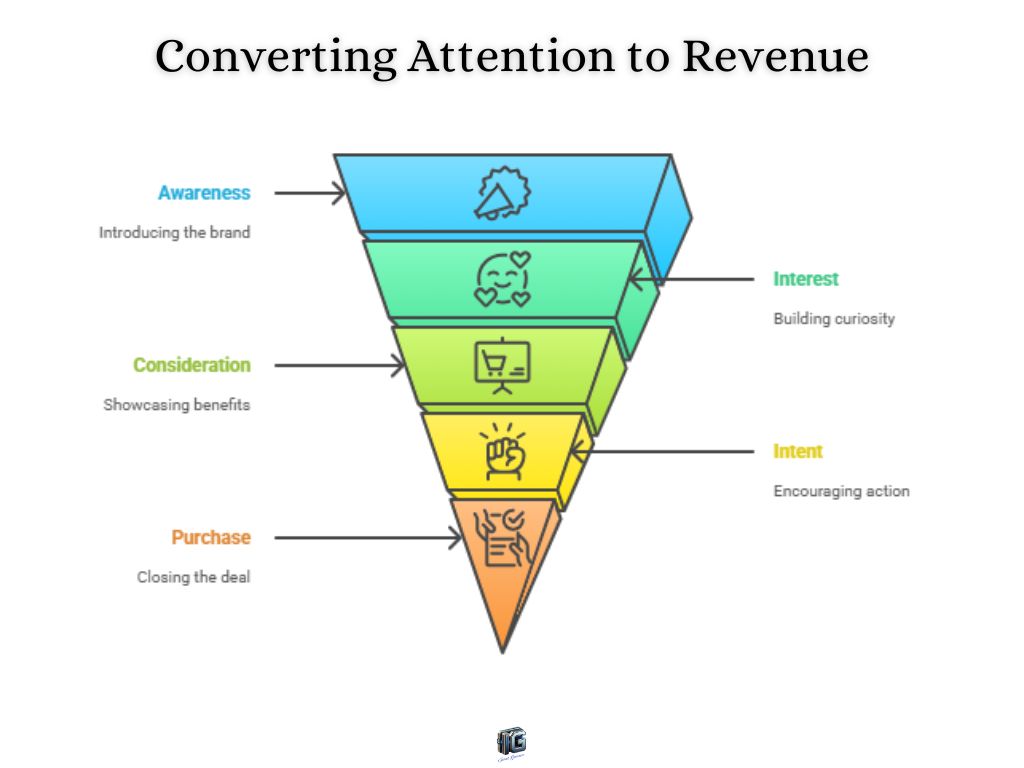
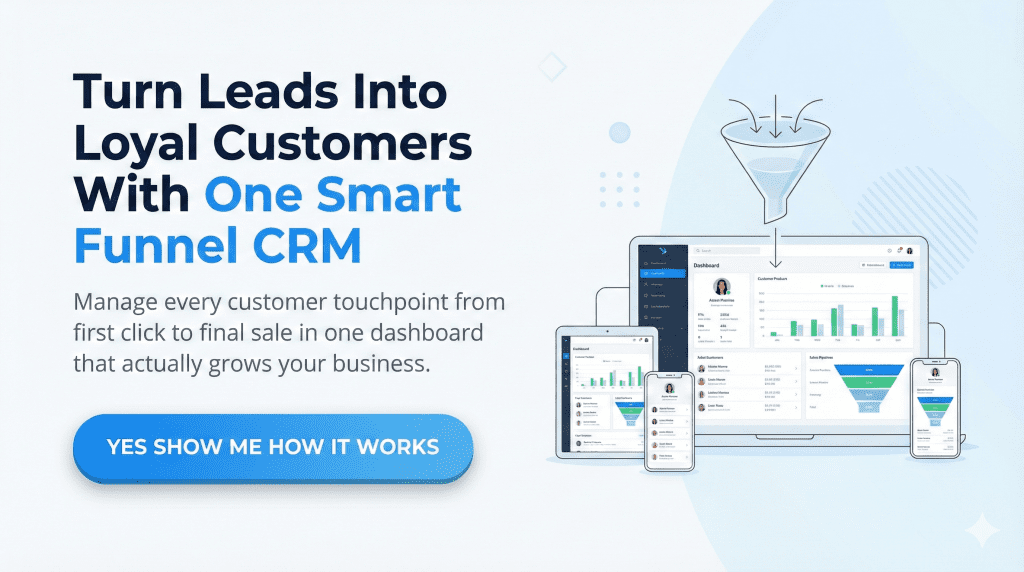
A sales funnel gives that traffic a path. It helps move people from first visit to email signup, product interest, checkout, follow-up, and purchase. The right software can make that process easier to build, automate, and measure.
But sales funnel software is not one-size-fits-all. Some platforms are built for digital product sellers. Some are better for agencies. Others focus on landing pages, email automation, course sales, or budget-friendly all-in-one setups.
This guide compares the best sales funnel software based on use case, features, ease of use, automation, integrations, pricing fit, and business stage. By the end, you will have a clearer sense of which platform fits your funnel, your workflow, and the way you actually sell.
- Sales funnel software helps you build the pages, forms, checkout steps, automations, and follow-up systems that guide visitors toward becoming leads or customers.
- The best platform depends on your business model. A coach, agency, course creator, local business, and ecommerce seller may need very different tools.
- All-in-one platforms can simplify your tech stack, but they may also cost more or include features you do not need yet.
- Landing page-focused tools are often easier to use, but they may require extra software for email marketing, CRM, payments, or advanced automation.
- Automation, integrations, analytics, and ease of use matter because a funnel is only useful if you can launch it, measure it, and improve it.
- Sales funnel software can support conversions, but it cannot fix a weak offer, unclear messaging, poor traffic, or a lack of follow-up.
Disclaimer: I am an independent Affiliate. The opinions expressed here are my own and are not official statements. If you follow a link and make a purchase, I may earn a commission.
How We Chose The Best Sales Funnel Software
Not every funnel platform is built for the same type of business.
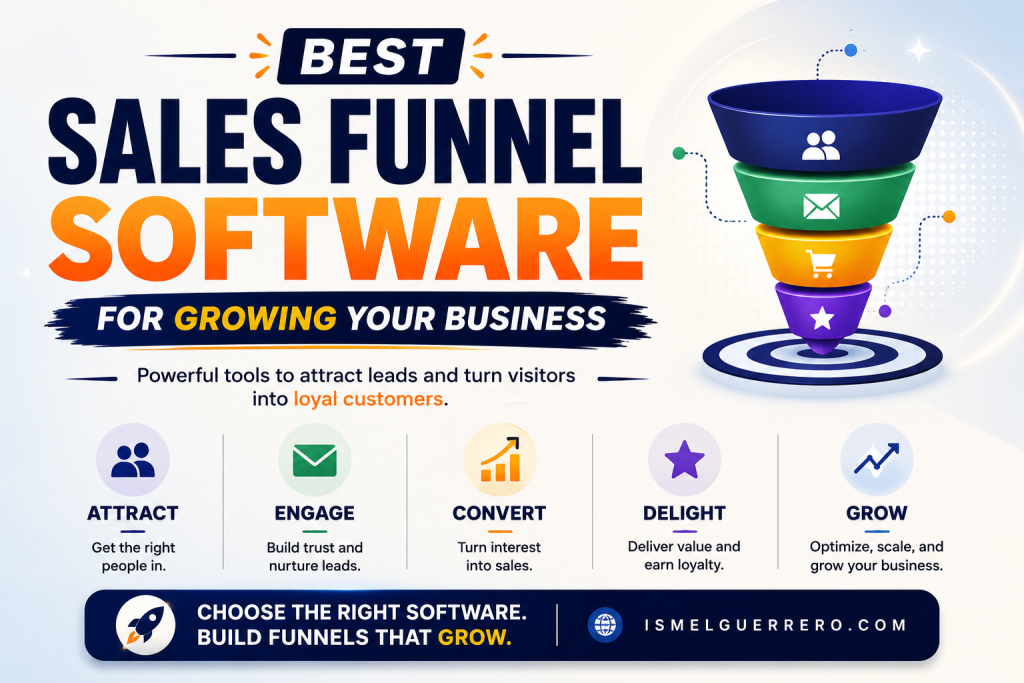
Some tools focus on landing pages and lead capture. Others offer a full marketing system with email, CRM, checkout pages, memberships, automation, and analytics. To compare them fairly, we looked at how each platform supports the full funnel process, not just how many features it lists.
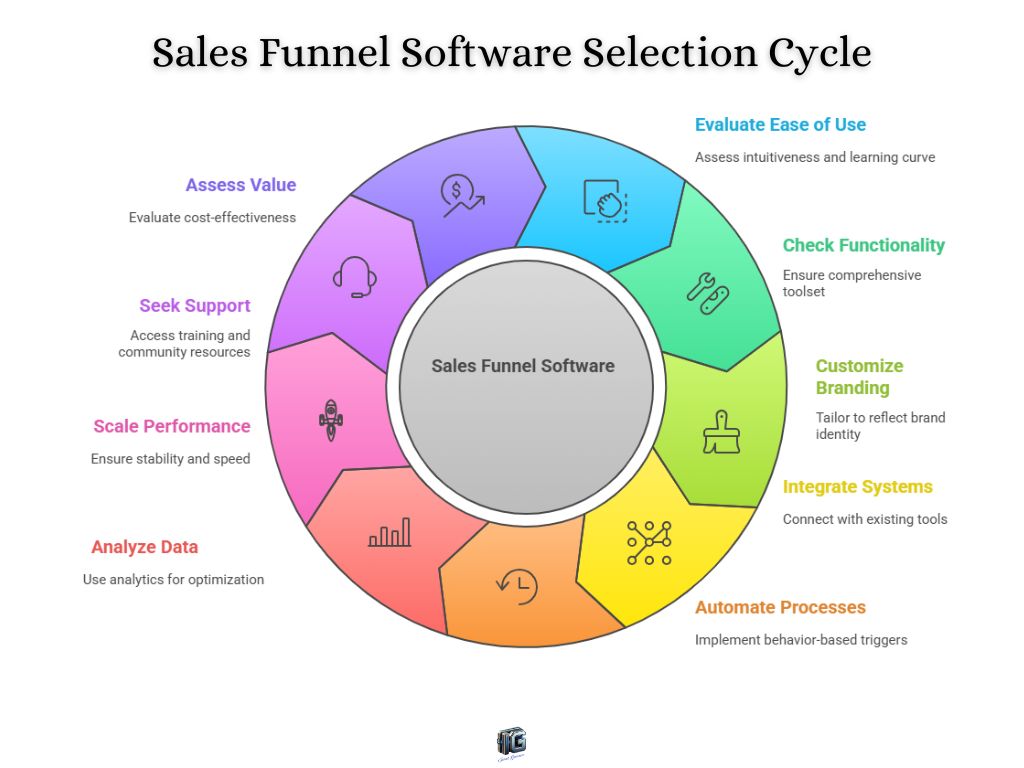
We focused on these criteria:
- Funnel Building: Can users build landing pages, opt-in pages, sales pages, checkout flows, upsells, downsells, and thank-you pages?
- Ease Of Use: Is the platform simple enough to launch without heavy technical setup?
- Automation: Does it support email sequences, follow-ups, tagging, segmentation, or behavior-based workflows?
- Sales Features: Can users process payments, sell products, manage offers, or support course and membership sales?
- Lead Management: Does the platform include CRM features, pipeline tools, forms, or contact tracking?
- Analytics And Testing: Can users measure performance, track conversions, or test funnel changes?
- Integrations: Does it connect with common tools for email, payments, webinars, analytics, CRM, or ecommerce?
- Best-Fit User: Is the tool better for creators, coaches, agencies, local businesses, ecommerce sellers, or beginners?
- Value For Money: Does the feature set make sense for the price and stage of business?
The goal is not to crown one platform as the best for everyone.
The goal is to help you match the software to the funnel you actually need to build.
Best Sales Funnel Software At A Glance
Use this table to compare the top options before reading the full breakdown.
| Platform | Best For | Main Strength | Main Limitation |
|---|---|---|---|
| ClickFunnels | Funnel-first marketers, course creators, and digital product sellers | Built specifically for sales funnels, checkout flows, upsells, and offer pages | Can be expensive if you only need simple landing pages |
| Kartra | Coaches, consultants, and businesses that want an all-in-one system | Combines funnels, email, checkout, memberships, automation, and business tools | More features can mean a steeper learning curve |
| Leadpages | Lead capture, landing pages, and campaign testing | Fast landing page creation with templates, forms, pop-ups, and testing tools | Less complete as a full backend sales system |
| Systeme.io | Budget-conscious creators and small businesses | Affordable all-in-one tools for funnels, email, courses, automation, and selling | Design and advanced customization may feel more limited |
| GoHighLevel | Agencies, consultants, and local business marketers | Strong CRM, automation, client management, pipelines, and white-label options | Often too much platform for solo beginners |
| GetResponse | Email-first funnels, webinars, and lead nurturing | Strong email marketing with landing pages, automation, webinars, and funnel tools | Funnel building is not as specialized as dedicated funnel platforms |
| Builderall | Users who want a broad digital marketing toolkit | Includes funnels, websites, email, webinars, ecommerce, and other marketing tools | Large feature set can feel overwhelming |
No platform is the best choice for every business.
If you want a funnel-first system, ClickFunnels is the most direct fit. If you want an all-in-one business platform, Kartra or Systeme.io may make more sense.
If you manage clients, GoHighLevel is built around that use case. If your funnel depends heavily on email, GetResponse deserves a close look.
Best Sales Funnel Software
How To Choose The Right Sales Funnel Software
The best sales funnel software is the one that fits how your business sells.
A platform can look impressive on a feature list and still be wrong for your workflow. Before choosing, focus on the funnel you need to build, the tools you already use, and the amount of complexity you can manage.
The right choice should reduce friction now while still supporting the next stage of growth.
What Software Cannot Fix
Sales funnel software can make the funnel easier to build, but it cannot make a weak funnel work.
The platform gives you pages, forms, automations, checkout steps, analytics, and integrations. Those tools matter. But the results still depend on the offer, message, audience, traffic, and follow-up behind the funnel.
A Weak Offer
No funnel builder can save an offer people do not want.
Before worrying about templates, automations, or upsells, make sure the offer solves a clear problem for a specific audience. If the value is unclear, the funnel will struggle no matter which software you use.
Poor Traffic Quality
A funnel can only convert the people who enter it.
If the traffic is not relevant, even a well-designed funnel may underperform. Paid ads, SEO, social content, email campaigns, and partnerships all need to attract people who actually match the offer.
More traffic is not always the answer. Better traffic often matters more.
Unclear Messaging
Visitors should understand what you offer, who it is for, why it matters, and what to do next.
If the headline is vague, the benefits are unclear, or the page focuses too much on features, people may leave before taking action. Software can help you publish the page. It cannot make the message clear for you.
Weak Follow-Up
Most people do not buy the first time they see an offer.
That is why follow-up matters. Email sequences, retargeting, SMS reminders, consultations, demos, and nurture content can all help move leads closer to a decision.
Automation helps deliver the follow-up, but the content still needs to be useful and relevant.
Lack Of Testing
A funnel is not finished when it goes live.
You still need to review the numbers, watch where people drop off, and improve the weak points. That may mean testing headlines, page layout, form length, offer structure, checkout flow, email timing, or call-to-action wording.
The software gives you the system. Your job is to keep improving how that system performs.
Common Mistakes To Avoid
Choosing sales funnel software is easier when you know what can go wrong.
Most mistakes happen when people choose a platform based on popularity, feature lists, or promises instead of their actual funnel needs. The right tool should make your sales process clearer, not heavier.
Choosing The Most Popular Platform Automatically
Popular software is not always the best fit.
A platform may be excellent for agencies, but too complex for a solo creator. Another may be great for landing pages, but too limited for advanced automation. Start with your business model, offer, and funnel goal before comparing brands.
Buying More Features Than You Need
All-in-one platforms can be useful, but extra features can also create unnecessary complexity.
If you only need a landing page, form, and basic email follow-up, you may not need a full marketing suite. Paying for tools you do not use can make your setup more expensive and harder to manage.
Ignoring Integrations
A funnel rarely works alone.
Your software may need to connect with email, payments, CRM, webinars, analytics, calendars, or ecommerce tools. If those connections are weak, you may end up with broken automations, missing data, or manual cleanup.
Check integrations before committing.
Skipping The Trial Workflow
A free trial is only useful if you test the real workflow.
Do not just click around the dashboard. Build a simple version of the funnel you plan to use. Create a page, connect a form, test a checkout step, add follow-up, and see how easily the pieces work together.
Overcomplicating The First Funnel
A beginner funnel does not need every automation possible.
Start with the core path: one landing page, one offer, one conversion action, and one follow-up sequence. Once that works, you can add upsells, segmentation, retargeting, webinars, or advanced automation.
Forgetting About Analytics
If you cannot measure the funnel, you cannot improve it.
At minimum, you should be able to track visits, opt-ins, sales, conversion rates, and drop-off points. Without data, you are guessing where the funnel is working and where it is leaking.
Blaming The Software Too Quickly
Sometimes the tool is the problem. Often, the funnel needs work.
Before switching platforms, review the offer, page message, traffic source, checkout flow, and follow-up. Moving a weak funnel into a new tool usually does not fix the underlying issue.
Conclusion
The best sales funnel software is not the platform with the longest feature list.
It is the one that helps you build the right path from visitor to lead, lead to customer, and customer to repeat buyer without making your workflow harder than it needs to be.
If you want a funnel-first platform for selling digital products, courses, or online offers, ClickFunnels is a strong fit. If you want a more complete business system, Kartra may make more sense. If you need fast landing pages and lead capture, Leadpages keeps things simple. If budget matters, Systeme.io gives you a practical all-in-one starting point. If you manage clients or local business campaigns, GoHighLevel is built for that job. If email is central to your funnel, GetResponse deserves a close look. If you want a wide digital marketing toolkit, Builderall may fit.
The right choice depends on your offer, traffic source, sales process, budget, and technical comfort.
Software can help you launch faster, automate follow-up, and track performance. But the funnel still needs a clear offer, strong messaging, relevant traffic, and consistent testing.
Choose the platform that fits the funnel you need now, not the most impressive tool on paper. A simple funnel you can launch, measure, and improve will usually beat a complicated setup that never goes live.
Frequently Asked Questions
What Is Sales Funnel Software?
Sales funnel software helps you build and manage the steps that move someone from first interest to conversion.
That may include landing pages, opt-in forms, checkout pages, email follow-up, automations, analytics, and integrations with other tools. The goal is to create a clearer path from visitor to lead, lead to customer, and customer to repeat buyer.
What Is The Best Sales Funnel Software?
The best sales funnel software depends on your business model and funnel goal.
ClickFunnels is strong for funnel-first selling. Kartra is useful for all-in-one business systems. Leadpages is better for fast landing pages. Systeme.io is a practical budget-friendly option. GoHighLevel fits agencies and local business marketers. GetResponse works well for email-first funnels.
Which Sales Funnel Software Is Best For Beginners?
Leadpages and Systeme.io are strong beginner-friendly options.
Leadpages is simple if you mainly need landing pages and lead capture. Systeme.io is useful if you want funnels, email, products, and basic automation in one affordable platform.
Which Sales Funnel Software Is Best For Agencies?
GoHighLevel is one of the strongest options for agencies.
It is built around CRM, pipelines, automation, client management, appointment booking, reputation tools, and white-label options. That makes it better suited for agencies than simple landing page builders.
Which Sales Funnel Software Is Best For Course Creators?
ClickFunnels, Kartra, and Systeme.io can all work for course creators.
ClickFunnels is strong for sales pages, checkout flows, upsells, and offer funnels. Kartra gives you a broader all-in-one system for marketing, selling, and delivery. Systeme.io is a more affordable option for creators who want courses, funnels, email, and automation together.
Do I Need Sales Funnel Software To Sell Online?
Not always.
You can sell online with separate tools for your website, checkout, email marketing, CRM, and analytics. Sales funnel software becomes useful when you want those steps connected in one workflow or when you want to build repeatable campaigns more easily.
Is An All-In-One Funnel Platform Better Than Separate Tools?
It depends on how you work.
An all-in-one platform can simplify setup because pages, email, checkout, automation, and analytics live together. Separate tools may give you more control, but they also require more integrations and maintenance.
Choose the option that gives you enough control without making your workflow harder.
What Features Matter Most In Sales Funnel Software?
The most important features depend on your funnel, but common priorities include landing page building, forms, checkout, email automation, CRM or lead tracking, analytics, A/B testing, integrations, and reliable publishing.
Do not choose based on features alone. Choose based on the features you will actually use.
Can Sales Funnel Software Increase Conversions?
Sales funnel software can help support conversions by making it easier to build pages, automate follow-up, test changes, and track performance.
But the software does not guarantee better results. Your offer, message, traffic quality, page copy, follow-up, and testing process still matter.
How Much Should Sales Funnel Software Cost?
The right cost depends on your stage of business.
A beginner may need a lower-cost tool that covers the basics. A growing business may justify a higher monthly cost if the platform replaces several tools or supports more advanced automation. Compare total cost, not just the monthly subscription.

0 Comments